Investing in Playa del Carmen’s thriving real estate market offers exciting opportunities for foreign buyers, but understanding the nuances of property acquisition is crucial. One common question among international buyers is whether holding a Mexican bank account is necessary to complete a property purchase. The answer intertwines with legal frameworks, financing mechanisms, and transactional processes unique to Mexico’s property laws. Navigating the local banking requirements, particularly concerning the fideicomiso structure prevalent in Playa del Carmen and the Riviera Maya, can feel daunting without expert guidance. This article unpacks the role of a Mexican bank account in real estate investment, clarifies the legalities of foreign property ownership, and highlights practical steps for securing property safely, whether for personal use, rental income, or long-term investment.
In brief:
- Foreign nationals can purchase property in Playa del Carmen using a fideicomiso (bank trust), which necessitates cooperation with a Mexican bank, but not necessarily owning a personal Mexican bank account.
- Having a Mexican bank account facilitates transactions such as paying closing costs, managing ongoing fees, and simplifying rental income operations, but is not a regulatory requirement for property purchase.
- Property financing in Mexico often involves cash transactions or private lending; local mortgage options for foreigners remain limited.
- International buyers benefit from legal counsel and professional intermediaries to navigate Mexican property laws, taxes, and trust setup efficiently.
- Understanding the step-by-step process, including escrow, due diligence, and the role of the notario public, ensures a secure purchase and avoids common pitfalls.
Mexican Bank Accounts and Their Role in Playa del Carmen Property Purchase
When international buyers look to buy a house in Mexico, the notion of opening a Mexican bank account often surfaces alongside questions about its necessity. Contrary to some misconceptions, owning a Mexican bank account is not a mandatory prerequisite to acquiring property in Playa del Carmen or the surrounding Riviera Maya region. The cornerstone for foreign ownership within this restricted zone is the fideicomiso, a bank trust mechanism that requires a Mexican financial institution to hold the property’s title on behalf of the buyer.
The fideicomiso legally binds a Mexican bank as trustee, but this role is purely fiduciary. The bank does not own the property or have discretionary control; the foreign buyer is the sole beneficiary, retaining the rights to sell, rent, remodel, or will the property. Establishing the trust involves the bank but does not obligate the buyer to open a personal account with that institution.
However, engaging a Mexican bank account presents significant conveniences that streamline the transaction and ongoing property management. For instance, many closing costs, such as the acquisition tax (ISAI), notary fees, and registry charges, must be paid in Mexican pesos (MXN). Transferring funds via foreign currency wires for each payment introduces currency exchange fees and processing delays. Holding a local account allows buyers to convert funds upon arrival, schedule transfers smoothly, and manage recurring fees like the annual fideicomiso maintenance, which commonly ranges from $500 to $1,000 USD.
Moreover, if the property is intended for rental, having a Mexican bank account makes it easier to receive rental income, pay property taxes, and file tax returns (RFC registration) in compliance with Mexican tax laws. This approach reduces reliance on international wire transfers, mitigates extra banking fees, and simplifies financial operations within the country.
To further reduce risks and ensure efficient financial management, some buyers opt to use escrow services held by neutral third-party Mexican banks or licensed escrow companies, especially during closing. These services protect earnest deposits and final payments until conditions are met and verified by the notario public, the government-appointed legal authority overseeing property transactions. For more details on closing timelines, see our detailed guide on how long it typically takes to close on a property in Playa del Carmen.
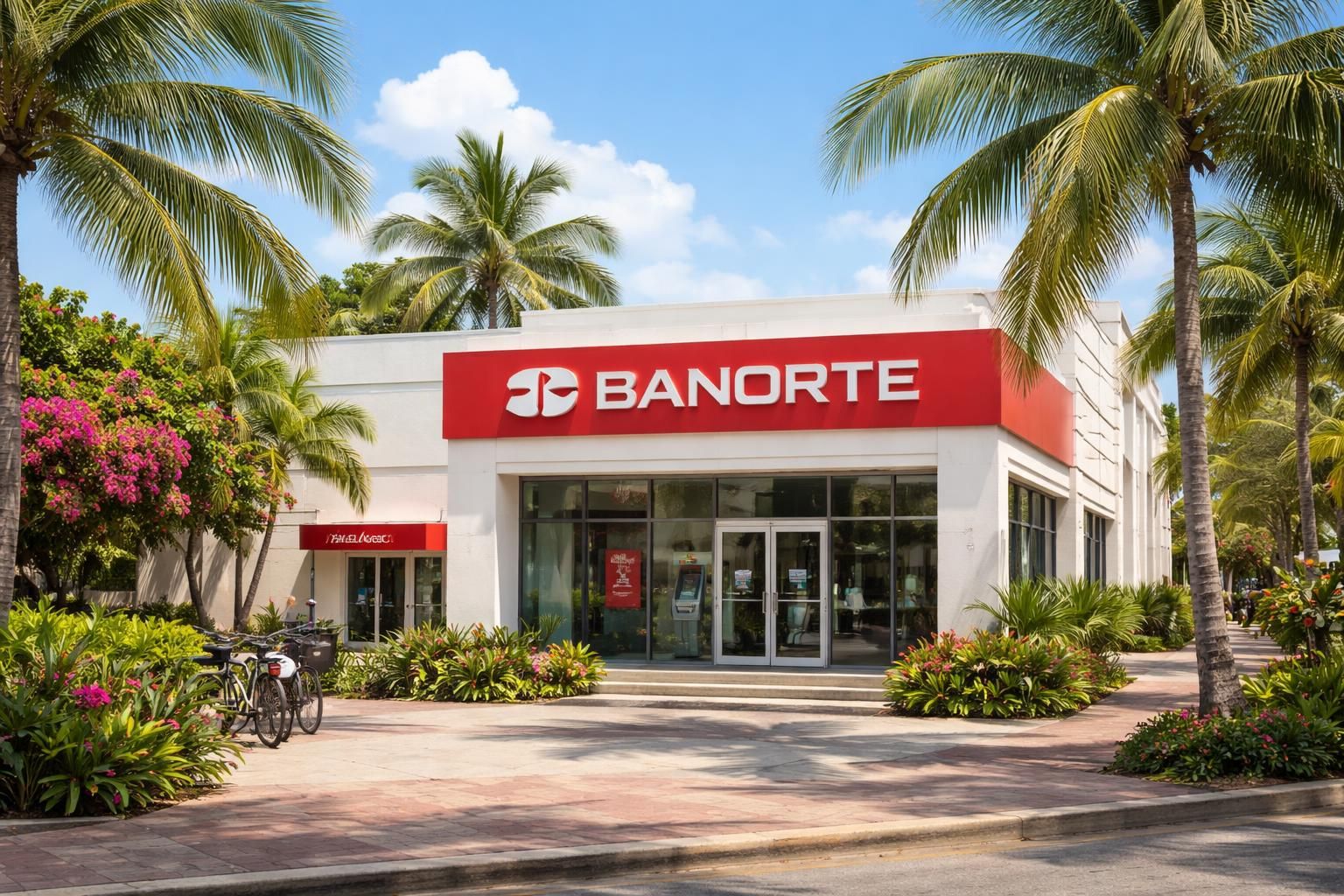
Understanding the Fideicomiso and Its Impact on Mexican Bank Account Necessity
The fideicomiso is an essential concept in Mexican property law for foreign investors purchasing real estate within 50 kilometers of the coastline, including Playa del Carmen. This trust arrangement was designed to accommodate foreign ownership under Mexican constitutional restrictions. While the bank holds the property title as trustee, the foreigner enjoys full ownership rights. The trust is renewable every 50 years, offering long-term security.
Setting up a fideicomiso requires coordination with a Mexican bank. Yet, the bank’s involvement is strictly as trustee and facilitator. The buyer does not need to open a personal bank account unless they prefer to manage transactions locally. The trust agreement outlines beneficiary rights and responsibilities but does not entail typical account services like deposits or direct withdrawals for the beneficiary.
The fideicomiso setup process involves submitting documentation such as passport copies, proof of address, and beneficiary designations to the bank for their compliance with Mexican government regulations, including anti-money laundering laws. Upon granting permission from the Ministry of Foreign Affairs, the trust is formalized and recorded by the notario public. The buyer then has legal proof of ownership and control, with the bank maintaining the title as a safeguard.
While the bank trust is key to enabling foreign property ownership, it does not create the necessity for a Mexican bank account. Many buyers manage payments through international transfers or third-party escrow arrangements until they establish local banking for convenience. The costs associated with the fideicomiso include a setup fee typically between $1,500 and $3,000 USD and recurring annual fees discussed previously.
Property financing in Mexico still poses challenges for foreign buyers. Traditional Mexican banks tend to offer limited mortgage products to non-residents. Consequently, cash payments or seller/developer financing schemes are more common. Establishing a Mexican bank account might ease certain financing operations, but it is not compulsory. Buyers often coordinate currency conversion and funds transfer through trusted financial partners.
Comparing Ownership Without a Mexican Bank Account vs. Having One
Here is a practical comparison illustrating how owning or not owning a Mexican bank account impacts transaction and ownership aspects:
| Aspect | Without Mexican Bank Account | With Mexican Bank Account |
|---|---|---|
| Property Purchase Payment | Funds transferred internationally; subject to currency conversion fees and delays | Local transfers in MXN; timely payments; easier currency management |
| Fideicomiso Setup and Fees | Paid via international transfers or escrow; requires careful coordination | Fees paid directly from local account; simplified administration |
| Recurring Expenses (e.g., property tax, HOA) | Must manage occasional wire transfers, potentially delayed | Automatic payments possible; better control of recurring costs |
| Rental Income Management | Receipts held outside Mexico; complex accounting | Direct deposits; easier compliance with Mexican tax authorities |
| Financing Options | Mostly cash or private loans, limited bank financing | Potential access to Mexican financial products; still limited for foreigners |
Step-by-Step Property Purchase Process in Playa del Carmen for Foreign Buyers
Foreign investors need to follow a clear, legal process when buying real estate in Playa del Carmen to ensure compliance with Mexican property laws and safeguard their investment. Below is an overview tailored to how Mexican bank accounts interplay with transactions and legal steps:
- Property Selection and Offer: Identify your property through real estate agents or developers. Engage legal counsel early to understand specific risks and confirm ownership documentation.
- Escrow and Earnest Money: Make an earnest money deposit, usually 5-10%, to a licensed escrow company. This deposit is protected and released per contract terms. For buyers without Mexican bank accounts, international wire transfers are common; otherwise, local accounts ease the process.
- Legal Due Diligence: A Mexican real estate lawyer or notario public investigates the property’s title, lien status, permits, HOA dues, and other legal aspects to avoid future complications. This step also verifies compliance with zoning and beach setback regulations.
- Fideicomiso Setup: If applicable, coordinate with the trustee bank to establish the trust. Required paperwork includes identification and beneficiary designations. While the bank must be involved, the buyer’s personal account remains optional.
- Closing Before the Notario Public: The buyer, seller, and notario meet to finalize the deed. Payments of closing costs and taxes occur, and rights transfer officially. Local bank accounts simplify payments but do not dictate the ability to close.
For a comprehensive, practical guide on these steps, including tips for a smooth process, consult this detailed step-by-step property purchase guide.
Understanding each stage maintains transparency and minimizes risks in acquiring foreign property.
Managing Closing Costs, Taxes, and Financing Without a Mexican Bank Account
Buyers often ask whether a lack of a Mexican bank account complicates managing closing costs and ongoing expenses linked to property ownership. While it presents logistical challenges, it certainly does not preclude foreign investment in Playa del Carmen real estate.
Typical closing costs run between 4% and 7% of the purchase price. They cover the acquisition tax (ISAI), notary fees, registration fees, and fideicomiso setup if applicable. These payments require funds transferred in pesos and can be made through international wire transfers to escrow or directly to service providers.
Ongoing expenses such as property tax and fideicomiso annual fees also require periodic payment in pesos. Without a Mexican bank account, buyers must anticipate potential delays or fees from international banks. This oversight amplifies the importance of professional financial management and working with trusted local escrow companies. Some buyers choose to open a Mexican account after closing for convenience.
In terms of financing, most foreign buyers use cash or developer financing due to limited mortgage options from Mexican banks. Those seeking to use bank financing should discuss their options early with lenders and may find having a Mexican bank account helps simplify loan processing and repayments.
Legal Protections and Strategies to Avoid Common Risks in Playa del Carmen Real Estate Investment
Foreign investors must be vigilant to protect their investment from pitfalls common in Mexican real estate transactions. Without a Mexican bank account, there’s a heightened need for diligence in payment tracking and document management.
Key risks include acquiring property with liens, unresolved debts, or incomplete permits, commonly termed ejido land issues. Always verify title cleanliness by consulting trusted sources or reviewing certifications like the ‘certificado de libertad de gravamen’. For thorough validation, see this comprehensive property title verification guide.
Working with an independent real estate lawyer — separate from the sales agency — provides an added layer of protection. Combined with the notario public’s oversight, these professionals ensure compliance with Mexican property laws and confirm all liens and debts are cleared before closing.
Escrow services conducted by reputable Mexican banks or neutral institutions mitigate risks related to payment mishaps. These protect earnest deposits and ensure funds are disbursed according to contract milestones.
For foreign investors managing rental properties, compliance with HOA rules and local taxation demands are essential. Setting up a Mexican bank account streamlines payment flows and tax filings, contributing to smooth operations.
- Verify property has private land title, not ejido
- Engage trusted legal counsel for due diligence
- Use escrow accounts to safeguard deposits and payments
- Consider opening a Mexican bank account to ease financial management
- Maintain organized documentation for tax and legal compliance
With these precautions, the Playa del Carmen market remains one of Mexico’s most attractive for foreign real estate investment.
Do I need a Mexican bank account to set up a fideicomiso?
No, a Mexican bank trust requires involvement of a Mexican bank as trustee, but the buyer does not need a personal Mexican bank account to establish the fideicomiso. Transactions can be managed through international transfers or escrow services. However, having a local account simplifies payments and administration.
Can I pay closing costs and annual fees without a Mexican bank account?
Yes, foreign buyers can use international wire transfers to pay closing costs, fideicomiso setup fees, and annual maintenance fees. Many buyers utilize escrow accounts or transfer funds through their home bank, although having a Mexican bank account reduces delays and fees.
Are mortgages available to foreigners in Playa del Carmen?
Mortgage financing options directly from Mexican banks are limited for foreign buyers. Most purchases are cash or involve developer financing. Some private lenders provide loans, but these often require more complex arrangements. Having a Mexican bank account may facilitate financing but is not a guarantee of approval.
How does the fideicomiso protect foreign property ownership?
The fideicomiso is a legal trust held by a Mexican bank that allows foreigners full ownership rights under Mexican law despite restrictions near beaches and borders. The buyer remains the beneficiary with rights to use, lease, sell, remodel, and bequeath the property, while the bank acts only as trustee.
What role does the notario public play in the purchase process?
The notario is a government-appointed legal officer who validates the property transaction, verifies title and permit compliance, drafts deeds, calculates taxes, and records ownership in the public registry. Engaging a qualified notario ensures the transaction meets Mexican legal standards.