Exploring the diverse neighborhoods and areas of a city is essential for anyone seeking to understand the local culture, real estate opportunities, and lifestyle amenities. Whether you’re a prospective resident, an investor, or a traveler, having a comprehensive neighborhood and area guide equips you with vital local insights and practical travel tips. These guides help reveal the soul of a city by highlighting its unique community life, transportation networks, safety, and local attractions. From bustling urban centers to tranquil seaside suburbs, every neighborhood plays a distinct role in the dynamic fabric of urban living.
In recent years, understanding the nuances of each area has become increasingly important, especially in cities undergoing rapid change. With rising demand in the real estate market, knowing which neighborhoods offer the best return on investment and quality of life can make a pivotal difference. This article delves deep into some of the world’s prime urban areas, demonstrating how neighborhood characteristics influence everything from property prices to daily convenience. By focusing on a citywide perspective, readers can grasp the importance of balancing location preferences with lifestyle needs.
The value of detailed area guides extends beyond real estate; they unveil how transportation options affect accessibility, how safety metrics shape residents’ peace of mind, and how amenities like parks, schools, and restaurants play a critical role in community satisfaction. Experts emphasize the interplay between these elements as essential knowledge for making informed decisions. In this comprehensive exploration, each section will focus on a different aspect of neighborhood analysis, providing robust examples and revealing trends to watch in 2026.
In brief:
- The heart of a city often lies in its Central Business District, with unmatched convenience balanced by premium real estate costs.
- Suburban areas display diverse characters, from hip, youthful enclaves to affluent family-oriented zones.
- Transportation and safety are key factors shaping neighborhood desirability and community wellbeing.
- Real estate investment strategies thrive on understanding local rental markets and ROI trends.
- Immersive area guides offer insights into local amenities and cultural landmarks pivotal to lifestyle choices.
Decoding the Central Business District: Core of Urban Life and Real Estate Opportunities
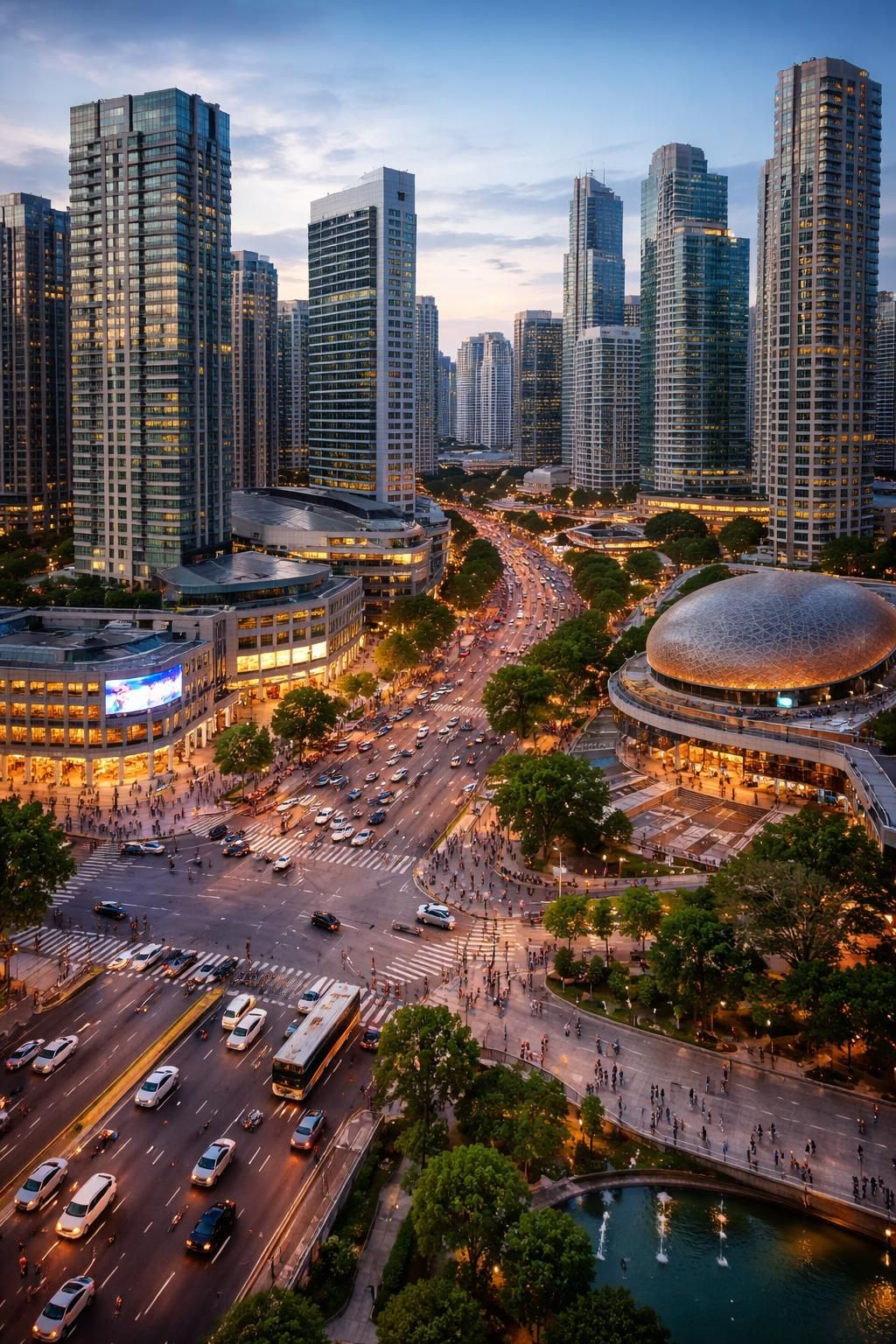
The Central Business District (CBD) remains the pulsating core of most metropolitan regions, where commerce, entertainment, and culture converge. In cities like Auckland, the CBD offers a rich tapestry of shopping centers, theaters, restaurants, and offices that set the urban rhythm. This zone caters predominantly to professionals and visitors seeking proximity to work and leisure hubs, eliminating much of the need for driving due to comprehensive public transportation and walkability.
The trade-off, however, lies in the high cost of living and accommodation. Real estate within the CBD is dominated by luxury high-rise apartments, often featuring premium amenities and breathtaking waterfront views. These properties command steep prices, reflecting demand for central location living combined with lifestyle convenience. For investors, CBD real estate can present lucrative rental income opportunities, although prospective buyers should carefully evaluate the average ROI on rental condos in prominent urban locations to ensure sustainable returns.
Neighborhood vibrancy is further enhanced by distinctive districts within or adjacent to the CBD. For example, areas like Karangahape Road, locally dubbed K’ Rd, attract a creative, counter-culture crowd, featuring second-hand clothing shops, galleries, and eclectic nightlife. Meanwhile, Ponsonby stands out with its blend of designer boutiques, cafes, and fine dining establishments, catering to those who value sophistication and conviviality. The waterfront district at the northern end is famed for high-end dining and exclusive clubs, further enhancing its prestige and real estate desirability.
Another defining characteristic of CBDs is their educational institutions. Major universities anchor these neighborhoods, offering a central study hub alongside sprawling campuses elsewhere. This student population contributes significantly to local economies and the demand for convenient housing options, influencing rental markets and the types of properties developed in the area.
When evaluating the CBD as a potential residence or investment location, one must consider factors such as transportation infrastructure, proximity to amenities, and safety statistics. While downtowns often provide round-the-clock activity, they may also necessitate caution during late hours, underscoring the importance of community engagement and security services in these zones.
Greater Central Suburbs: Diverse Neighborhoods and Vibrant Community Life
Surrounding the intense urban core, the greater central suburbs represent a mosaic of lifestyles, shapes by the seamless intersection of students, families, professionals, and retirees. This blend fosters an inclusive community spirit rare to find elsewhere, distinguished by local parks, cafes, and a variety of housing styles from heritage homes to modern apartments.
Suburbs such as Kingsland and Grey Lynn are well known as vibrant, hip neighborhoods favored by younger demographics who seek cultural authenticity and affordable leisure options. In these enclaves, local markets, craft breweries, and galleries thrive, fostering a creative atmosphere. Kingsland’s sports venues and Grey Lynn’s arts events reinforce neighborhood identity, creating an appealing lifestyle for residents and visitors alike.
Equally noteworthy are suburbs like Mission Bay, which blend coastal charm with upscale living. Their beautiful beaches, summer picnic areas, and culinary hotspots highlight the area’s lifestyle appeal. Residential architecture here often leans toward spacious family homes, reflecting the area’s affluence and stable population. Mount Eden offers a quaint village atmosphere with premium properties and a bustling commercial strip featuring independent shops and cafes that prioritize local goods and artisanal offerings.
For prospective buyers or renters, understanding the price spectrum within these suburbs is crucial. Areas such as Remuera, Herne Bay, and Orakei conform to high-end market segments requiring a deeper dive into long-term property values and neighborhood safety records. Conversely, suburbs a bit further from downtown—like Mount Roskill, Avondale, and Onehunga—present more affordable options with diverse demographics, balancing cost with accessibility and community vitality.
Transportation links between these suburbs and the city center have seen significant enhancements, reinforcing ease of commute and accessibility to essential amenities. Public transit routes, bike lanes, and pedestrian-friendly pathways all contribute to the greater area’s livability, inviting a dynamic flow of people and ideas.
For detailed investment perspectives in similar vibrant communities, consider reviewing the analysis on best areas for rental income opportunities, which highlights how community diversity and local demand shape real estate strategies.
Family-Friendly North Shore and Suburban Comforts
Situated just beyond the harbor, the North Shore offers affluent neighborhoods renowned for their safety, pristine beaches, and excellent schools, making them highly attractive for families and retirees looking for tranquility without sacrificing convenience. This area is a model example of how thoughtful urban planning merges with natural beauty to craft idyllic living experiences.
East Coast Bays serves as a tapestry of upscale beach communities lined with expensive properties that capitalize on ocean views and recreational amenities. These neighborhoods focus heavily on community well-being, with numerous parks, walking trails, and family-centric events scheduled year-round to foster interaction among residents.
Devonport, one of the region’s earliest settlements, retains a charming heritage feel with preserved historical architecture and a quaint downtown area accessible by ferry from the city center. This ease of transportation not only supports daily commutes but also attracts weekend visitors, bolstering local businesses and cultural institutions.
At the commercial heart of the North Shore, Takapuna embodies a vibrant suburb with a bustling beachside precinct lined with trendy bars and restaurants. This atmosphere fosters lively social occasions, particularly during warmer months when outdoor events and beach activities flourish.
The sense of safety across the North Shore is supported by low crime rates and active neighborhood associations that engage residents in community watch programs and local improvement projects. The seamless blend of residential comfort and access to nature has made the North Shore a perennial favorite for those prioritizing quality of life.
Amenities such as shopping centers, sports facilities, and medical services are conveniently distributed, reducing travel time and enriching daily life. The convenience of robust transportation options including buses and ferries add another layer of accessibility that enhances the area’s desirability.
West Auckland and Rodney: A Blend of Rural Charm and Urban Vitality
West Auckland offers a compelling contrast to the city’s bustle with its mix of green spaces, rural settings, and vibrant suburban neighborhoods. The region’s landscape is marked by lush bushland and easy access to black sand beaches, creating strong appeal for nature lovers and those seeking a slower pace while remaining connected to urban amenities.
Suburbs like Titirangi exemplify affluent and environmentally-focused living, where homes often sit on spacious plots amidst native bush, and local culture revolves around artistic expression and environmental sustainability. This fosters a robust community identity rooted in conservation and creativity.
More rural or affordable suburbs, including Massey and Waitakere, cater to families and young professionals attracted to larger properties and a quieter lifestyle. Though these areas are more prone to natural events—for instance, the flooding in 2023 caused significant disruption and ongoing recovery efforts—they exhibit resilience and strong neighborhood pride.
The peninsula of Whangaparaoa, within the Rodney district located north of the North Shore, offers some of the best value for property buyers willing to embrace a commute. Its ongoing development balances new housing projects with community-centered amenities, appealing broadly to first-time buyers and retirees alike.
Transportation infrastructure improvement plans are underway to better connect these outer regions with central employment hubs, further enhancing their attractiveness. These transit developments, combined with local safety initiatives, promote sustainable growth and make the neighborhoods increasingly appealing for a broad demographic.
This area’s diverse character represents an important consideration for real estate professionals evaluating long-term opportunities. Incorporating knowledge of local events such as natural disasters and community recovery projects provides essential context for buyers and investors seeking stable returns and a balanced lifestyle.
Comprehensive Amenities, Safety, and Transportation in Urban Planning
Understanding a neighborhood extends beyond knowing its borders and demographics; comprehensive consideration of amenities, safety, and transportation is critical to evaluating the true quality of life it offers. Access to grocery stores, schools, parks, healthcare, and recreational venues directly influences resident satisfaction and local real estate values.
Safety remains a top priority for residents and investors alike. Reliable crime data and effective community policing foster secure environments conducive to family life and restful living. Many neighborhoods have established watch groups and neighborhood associations, reinforcing a culture of vigilance and mutual support.
Transportation infrastructure is another defining feature of an area’s suitability. Efficient public transit, proximity to major motorways, and pedestrian-friendliness shape daily routines and impact environmental footprints. Neighborhoods well-connected to transit options tend to attract a wider range of inhabitants and higher property demand, reinforcing their status as prime locations.
For instance, Auckland’s eastern and southern suburbs benefit from ongoing transit improvements, while central districts maintain dense networks of buses, trains, and ferries. This harmony between access and comfort is mirrored in global cities with successful urban developments.
To illustrate, the table below summarizes key aspects of various neighborhood categories and their influence on lifestyle and real estate:
| Neighborhood Type | Typical Amenities | Transportation Options | Safety Level | Real Estate Appeal |
|---|---|---|---|---|
| Central Business District | Shopping malls, restaurants, cultural venues | Extensive public transit, walkable | Moderate, with active security | High prices, strong rental demand |
| Suburban Affluent Areas | Parks, schools, local shops | Bus routes, easy road access | High, family-friendly | Stable, premium housing |
| Emerging Suburbs | Developing retail, community centers | Improving transit connections | Variable, improving with community efforts | Affordable, growth potential |
Having insight into these factors considerably helps residents, real estate buyers, and travelers tailor their choices to personal or investment goals. Moreover, as demonstrated in multiple regions, the interplay of strong amenities and safety initiatives frequently catalyzes neighborhood revitalization.
For those considering entering competitive real estate markets, resources explaining the real estate investment trends in emerging areas provide invaluable guidance aligned with current market dynamics.
What are the key factors to consider when choosing a neighborhood?
Look for local amenities, safety records, transportation options, and community vibe. Personal priorities such as family needs, lifestyle preferences, and budget also play critical roles.
How do transportation developments affect neighborhood desirability?
Improved transit options increase accessibility, reduce commute times, and generally boost property values by making neighborhoods more attractive to residents and businesses.
Can investing in suburbs provide good rental income?
Yes, many growing suburban areas offer strong rental markets due to their affordability and community amenities, but it’s important to analyze local market data specific to rental income trends.
What role does safety play in real estate value?
High safety levels enhance desirability, making properties easier to sell or rent and often commanding premium prices; conversely, higher crime rates can depress market values.
Where can I find detailed guides on rental income opportunities and property costs?
Specialized websites, such as those focusing on Playa del Carmen real estate, provide thorough analyses and up-to-date market insights essential for well-informed decisions.