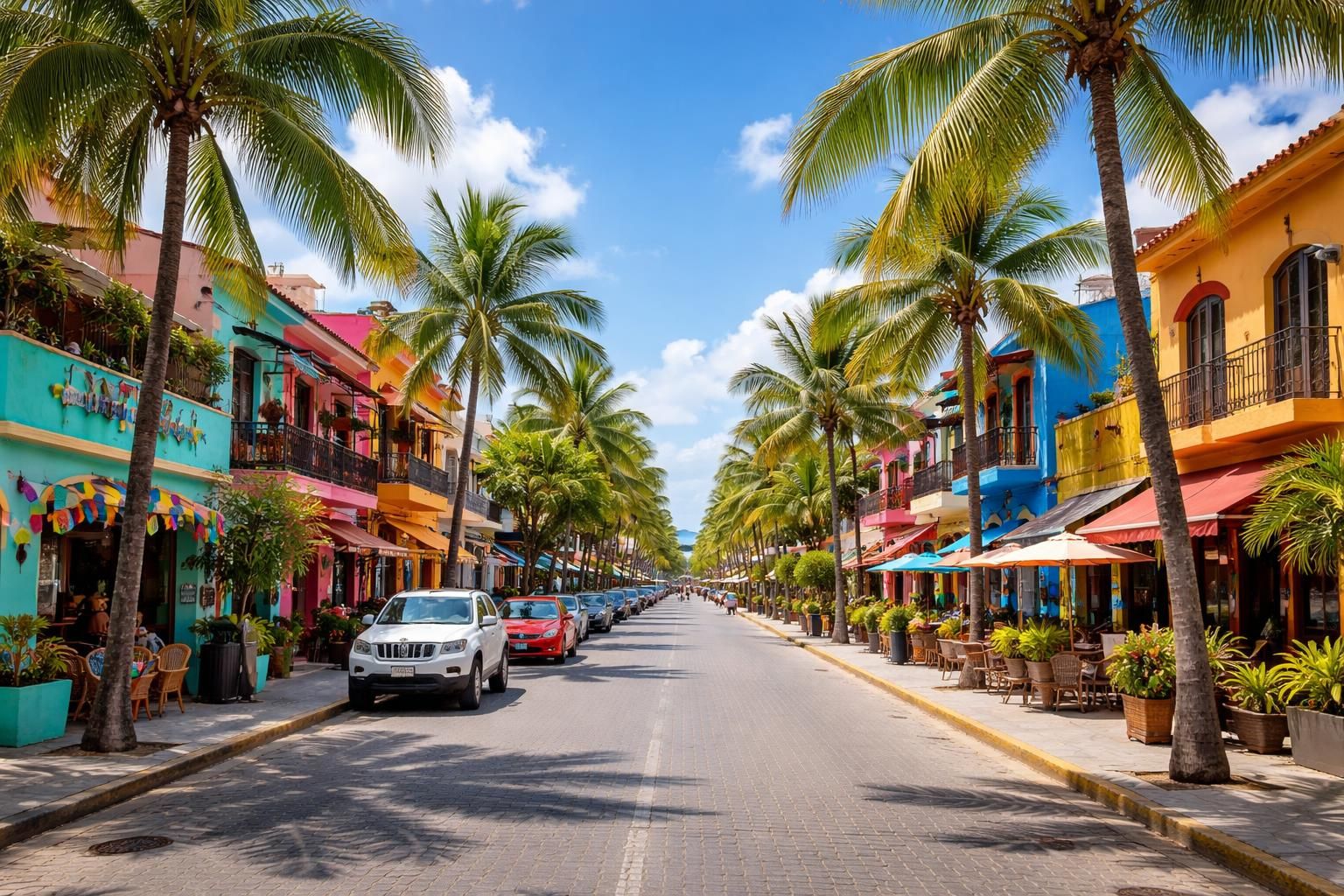
Moving to Playa del Carmen opens a vibrant life filled with stunning beaches, lively streets, and a welcoming community. However, driving here requires a nuanced understanding of local road rules, driving customs, and safety measures. For new residents, grasping these essentials ensures smoother navigation, avoids common pitfalls, and enhances daily life in this dynamic coastal city. With millions of tourists renting vehicles each year, Playa del Carmen’s roads blend local habits with international influences, making familiarization an important step for a seamless transition.
Driving in Playa del Carmen is generally considered safe and straightforward, yet it presents unique challenges such as numerous speed bumps, one-way streets, and distinctive traffic signals. Further complications arise from the behavior of some local drivers, including taxi and bus operators, requiring newcomers to adopt a patient and vigilant mindset. Beyond the technicalities, understanding parking regulations, vehicle insurance norms, and how to interact with law enforcement officers on the road significantly contribute to a trouble-free driving experience.
Whether you plan to explore the Riviera Maya extensively or simply use a car for daily errands, comprehensive knowledge about local driving laws and customs is indispensable. This article delves into everything new residents should know about driving in Playa del Carmen, covering practical tips, legal guidelines, navigation hacks, and the culture surrounding vehicles on these roads. Such insights prepare newcomers not only to abide by Road safety standards but also to embrace the driving lifestyle that characterizes this famous Mexican destination.
Brief Points for New Residents Driving in Playa del Carmen:
- Watch out for ‘topes’ (speed bumps) abundant throughout the city and some highways.
- All gas stations feature full service—know how to handle refueling properly without being overcharged.
- One-way streets dominate most of downtown; pay attention to signs to avoid violations.
- Parking regulations are enforced strictly, with meters downtown and safe paid parking lots available.
- Local drivers often make informal lane choices, especially motorcyclists and cyclists.
- Traffic lights operate uniquely, allowing cautious turns on reds and green lights alternating direction.
- Highway 307 is generally safe, well-maintained, and patrolled regularly.
- Avoid nighttime driving when possible for greater personal safety.
- Obtaining car insurance and respecting local police protocols protects you from legal and financial hassles.
Understanding Local Driving Laws and Road Safety in Playa del Carmen
The foundation of safe driving in Playa del Carmen lies in mastering the local traffic rules and adhering to road safety regulations. The city follows the standard Mexican traffic laws, but some peculiarities are notable. Speed bumps or “topes” are a common feature, strategically placed to reduce speeds particularly in congested areas. They often lack warning signs, so maintaining a slow and alert driving style is crucial. Mismanaging topes can damage vehicles or cause accidents, making awareness indispensable.
Another distinctive aspect is the enforcement of traffic lights. In Playa del Carmen, traffic signals control turns differently than in many countries. For instance, green lights only turn on for one direction at a time, which means drivers can turn left when the lights are green and cautiously proceed when turning on a red light after full stops. This system necessitates patience and keen observation. New residents must adapt their habits, also understanding that pedestrian crossings, especially those at elevated sections of roads, require drivers to give way promptly.
Road safety extends to recognizing local behavior patterns. Motorcyclists and cyclists often weave through what they consider open lanes, sometimes disregarding lane markings to avoid traffic congestion. This requires drivers to be vigilant and courteous, anticipating unexpected lane changes by these riders. Bus and taxi drivers, often less formally trained, might stop abruptly or weave through traffic, so maintaining calm and defensive driving habits is advisable.
Parking in Playa del Carmen demands attention to detail. Yellow lines around intersections and other critical areas prohibit parking, often penalized by local authorities. In response to growing tourism and downtown congestion, meters have been installed across the city’s core, charging reasonable fees to manage limited parking spaces. Several safe, affordable paid parking lots are scattered around, costing approximately 10 to 20 pesos an hour, making them a convenient choice for newcomers unfamiliar with local rules.
Regarding legal compliance, new residents should prioritize securing valid Mexican vehicle insurance policies. Although rental agencies provide basic coverage, comprehensive insurance is safer, mitigating unexpected expenses in emergencies. Additionally, establishing respectful communication harmonizes interactions with local police, who conduct regular patrols of main roads and highways, particularly Highway 307 connecting Playa del Carmen to Cancun and Tulum. Knowledge of police protocols can prevent misunderstandings and expedite legal proceedings if stopped.
Navigational Insights and Driving Challenges for New Residents
Playa del Carmen’s urban layout and traffic environment present unique navigation challenges for new drivers. The city grid is largely predictable, but understanding the prevalence of one-way streets is key to avoiding confusion. For instance, most streets below 10th Avenue are closed to general traffic, reserved for taxis and delivery trucks, which demands careful routing and sometimes acceptance of longer travel distances.
Avenue 30th and Juarez are significant thoroughfares utilized heavily by city buses, resulting in regular stops and dense traffic, especially during peak hours. Drivers unfamiliar with these bus routes must exercise patience and caution to avoid abrupt disruptions from these vehicles. Meanwhile, some streets feature smooth concrete surfaces like Constituyentes and 30e Avenue, prone to slipperiness after rains or water spills, necessitating reduced speed for safety.
Distinguishing right of way at intersections can be complex, especially outside the downtown core. Many avenues do not have stop signs, whereas streets (calles) usually do. Therefore, slowing down and observing other drivers’ behaviors before proceeding is essential to prevent collisions. Navigation apps also help greatly, but local intuition on traffic flow remains invaluable.
New residents should anticipate the absence of familiar rideshare options such as Uber or Lyft. Consequently, relying on taxis, public buses, or personal vehicles becomes essential. Those interested in purchasing property or settling in gated communities can explore detailed resources like premium real estate guides to find suitable neighborhoods with easier parking and driving conditions. For newcomers exploring recreational areas, these insights into traffic patterns enhance convenience and reduce stress.
Car Rental Tips and Vehicle Insurance Essentials for Playa del Carmen Drivers
For tourists or new residents not commuting daily by car, car rental remains a popular option. Understanding rental protocols, including comprehensive insurance policies, is pivotal. Daily rental rates for compact cars range between $30 and $45 USD depending on season and demand, with insurance strongly recommended to cover accidents or theft.
Gas stations in the region operate with full service, which is uncommon for visitors accustomed to self-service pumps. Drivers should be informed to avoid scams or unnecessary charges, such as paying for a full tank but receiving less. Familiarizing oneself with local payment customs, like having smaller bills ready and being clear about fuel volume, safeguards against overpaying.
Insurance availability extends beyond rentals; new residents considering car ownership must secure policies that conform to Mexican regulations. Insurance costs vary between 5,000 and 10,000 pesos annually, depending on vehicle value and coverage limits. Opting for proper insurance ensures legal compliance and financial security when driving on Mexico’s roads.
Rental companies are usually prepared to provide bilingual contracts and assistance, easing the process for non-Spanish speakers. Nonetheless, reviewing terms thoroughly is wise, especially concerning roadside assistance, collision damage waivers, and liability coverage. Resources like travel and logistics guides can aid foreigners in navigating rental agreements effectively and understanding broader driving logistics in the region.
Parking Solutions and Dealing with Local Driving Culture in Playa del Carmen
Parking in Playa del Carmen is tightly regulated to accommodate both residents and a steady tourist influx. Downtown areas increasingly adopt parking meters with small fees, which must be observed carefully to avoid fines. Safe and budget-friendly parking lots, charging between 10 to 20 pesos per hour, offer alternative options and often include monitored security to prevent theft or damage.
New residents should avoid parking near yellow-painted curbs or intersections, which are strictly prohibited and often ticketed. Participating in community programs or consulting guides on local area specifics streamlines the parking experience and helps identify the best spots for regular use, especially in busier neighborhoods.
The local driving culture includes distinct nuances like the aggressive driving styles of some taxi and bus drivers, who might disregard traffic protocols in favor of quick maneuvering. Patience is a necessary virtue to drive harmoniously alongside these operators. Also, cyclists and motorcyclists often “make their own lanes,” necessitating heightened alertness from car drivers.
Engagement with local police during traffic stops or checkpoint controls is routine, and maintaining respectful and compliant behavior is crucial. Understanding official procedures and displaying valid documentation expedites interactions. New drivers should always carry up-to-date licenses, vehicle registration, and insurance papers. Numerous local blogs and resources provide useful advice on how to drive in harmony with the police in Playa del Carmen, preventing confusion or conflict.
Videos like this provide visual walkthroughs on how to navigate the city streets safely and efficiently, offering perspectives directly from locals and experienced drivers.
This tutorial details the car rental process, insurance tips, and common pitfalls avoided by savvy renters.
Essential List of Tips for New Residents Driving in Playa del Carmen
- Always reduce speed near topes and anticipate their presence in both city and highway areas.
- Use only full-service gas stations and carefully verify the fuel pumped and price charged.
- Obey one-way street signs to avoid fines and traffic incidents.
- Park exclusively in approved lots or metered zones to avoid tickets and vehicle towing.
- Yield to pedestrians at designated crossings and respect elevated pedestrian walkways.
- Drive cautiously around motorcyclists and cyclists who may not strictly follow traffic lanes.
- Be patient with local taxis and buses; never try to overtake aggressively.
- Remember you can turn on red lights after a full stop, but do so carefully.
- Plan routes considering bus-heavy avenues like 30th Avenue and Juarez.
- Maintain valid vehicle insurance and carry all necessary driving documents at all times.
- Limit or avoid night driving when possible for personal safety.
- Learn and respect how to interact respectfully with police officers during stops.
Parking Rules and Costs: A Comparative Overview for New Residents
| Type of Parking | Location | Cost (Pesos/hour) | Security Level | Notes |
|---|---|---|---|---|
| Street Metered Parking | Downtown Playa del Carmen | 10 – 15 | Moderate | Pay attention to meters, enforcement is strict |
| Private Parking Lots | Near Main Beach and Shopping Areas | 15 – 20 | High | Usually monitored and secure |
| Free Street Parking | Outskirts / Residential | Free | Low to Moderate | Avoid near yellow lines or intersections |
| Toll Roads Parking | Rest Areas on Highway 307 | Varies | High | Recommended for longer trips |
Is it safe to drive in Playa del Carmen as a new resident?
Yes, driving in Playa del Carmen is safe for most new residents as long as they obey local traffic laws, drive attentively, avoid nighttime driving, and secure proper vehicle insurance.
What should I know about parking in Playa del Carmen?
Parking is enforced strictly, especially downtown where meters require fees. Avoid parking near yellow curbs or intersections, and consider using affordable private parking lots to ensure safety and convenience.
Are there any special rules about traffic lights in Playa del Carmen?
Traffic lights generally allow turning left on green lights one direction at a time, and turning on red after a full stop is permitted but must be done cautiously.
Do I need special insurance to drive in Playa del Carmen?
New residents should obtain vehicle insurance that meets Mexican requirements. Rental insurance is often basic; comprehensive coverage is strongly recommended for peace of mind.
How can I handle interactions with police while driving?
Remain polite, keep all vehicle and personal documentation ready, and familiarize yourself with local police procedures to ensure smooth interactions and avoid misunderstandings.