Buying property in Mexico as a foreigner involves navigating a unique set of legal and administrative procedures designed to protect the interests of both buyers and the country. Whether you are drawn to the vibrant neighborhoods of Playa del Carmen, the pristine beaches of Tulum, or the bustling city life of Cancun, understanding the documents required for a smooth property purchase is essential. In 2026, the process continues to combine formal legal safeguards with practical steps, ensuring transparency and security in property transactions.
One of the core challenges foreign buyers face is adapting to Mexico’s distinct property laws, especially regarding ownership rights and restricted zones. Mexican real estate markets present a dynamic landscape, from well-established urban developments to emerging coastal resorts. For foreigners, the task is not just about finding the right property but also about successfully handling the specific documentation and legal compliance needed to establish ownership. In this guide, the emphasis will be on disclosing exactly what documents you will be required to provide and manage during the property purchase process and how to meet these requirements effectively to avoid common pitfalls.
Every stage in Mexico’s real estate buying journey—from preliminary negotiations to closing—relies heavily on proper documentation. Proof of identity and proof of address are fundamental, but they are just the starting points. Foreigners must also secure specific permits like the Convenio de Renuncia and, if the property lies in a restricted zone near borders or coasts, set up a fideicomiso, or bank trust, to hold the property legally. Understanding these documents and their purpose can help you streamline the buying process, reduce risks, and take full advantage of Mexico’s vibrant property market.
Preparing for a property purchase in Mexico requires foresight, patience, and a deep appreciation of local legal practices. This article will walk you through all the critical documents involved, highlight why they matter, and provide actionable advice for foreign buyers diving into this exciting but complex journey.
Key Takeaways for Property Purchase as a Foreigner:
- Foreign buyers need to provide valid proof of identity and proof of address to initiate property transactions.
- Properties in restricted zones require a FIDEICOMISO (bank trust) managed by a Mexican bank, adding specific documentation steps.
- A notarized purchase agreement is mandatory and overseen by a public notary office responsible for verifying all ownership documents.
- Foreigners must sign a Convenio de Renuncia with the Mexican Foreign Affairs office accepting Mexican jurisdiction over their property.
- Additional legal and tax documents, including a tax identification number and proof of funds or bank references, are essential for closing the deal.
Essential Identification and Residency Documents Required for Property Purchase in Mexico
When buying property in Mexico, your proof of identity serves as the primary verification method throughout the process. A valid, government-issued passport is typically the most accepted form for foreigners. Along with this, some notaries and legal representatives may require additional identification like a secondary government-issued ID from your home country or a Mexican official identification document if you already have any type of residency visa.
Moreover, you need to provide proof of address that confirms your current residence outside of Mexico. This is frequently established through recent utility bills or bank statements showing your real name and residential address. These documents confirm your eligibility and traceability, essential for tax registrations and banking relationships in Mexico.
Residency status in Mexico does not prevent foreigners from buying property, but relevant immigration documents can make the process smoother, especially if you already hold a temporary or permanent visa. For non-residents, additional documentation such as a tourist permit or related immigration forms might be requested by the notary or the Secretaría de Relaciones Exteriores (SRE), the Mexican Foreign Affairs office. This office plays a critical role in verifying your eligibility and issuing necessary authorizations such as the Convenio de Renuncia.
To obtain this formal waiver, you usually need to submit:
- The filled Convenio de Renuncia form;
- Your immigration document (visa, resident card, or tourist permit);
- Documents proving the property’s location and size (often called a “croquis”).
This step protects Mexico’s sovereignty by ensuring foreign buyers agree to Mexican jurisdiction over the property and refrain from international disputes. Processing times vary, but you should expect a waiting period of a few days up to several weeks depending on the SRE office workload.
Understanding the Role of FIDEICOMISO and Bank References for Restricted Zone Properties
Mexico enforces special ownership rules for foreigners when purchasing properties located within restricted zones—defined as areas within 60 miles of borders or 30 miles of coastlines. Direct ownership of land in these zones is prohibited for foreigners, who instead must engage in a FIDEICOMISO. This is a bank trust agreement where a Mexican bank holds the title of the property on behalf of the foreign buyer, who retains all rights to use, rent, sell, and bequeath the property.
To create a fideicomiso, you’ll need to submit specific financial documentation to the bank managing the trust. This typically includes a bank reference that demonstrates the source and legitimacy of your funds, ensuring compliance with anti-money laundering laws. The bank reference usually details your banking history, including account status and average balances, and comes from reputable banks in your country of residence.
Additionally, you are required to provide official identification, address confirmation, and personal legal documents to satisfy Mexican banks’ strict onboarding criteria for trust beneficiaries. The setup fees for a fideicomiso generally range between MXN 20,000 and MXN 40,000, with annual management fees of MXN 4,000 to MXN 8,000, which vary by bank and region, including areas like northern Cancun and Playa del Carmen.
Properly establishing a fideicomiso is a key step that ensures the property purchase is fully legal and compliant. It protects foreign buyers’ investments by involving a trust structure recognized and regulated by the Mexican government, thus bridging the gap between Mexico’s restrictions and a foreigner’s right to own real estate.
Critical Property and Legal Documents Needed for Purchase Agreement Completion
The purchase agreement or “contrato de compraventa” in Mexico is more than a simple contract—it’s a formal, notarized document that legally binds both buyer and seller. This agreement is drafted by a licensed notary public who verifies all submitted documents and fulfills government-mandated due diligence.
For the purchase agreement, you and the seller will need to provide a robust set of documents, including but not limited to:
- Original Mexican title deed or “escritura,” proving the seller’s ownership;
- Recent property tax payments and certificates clearing any outstanding debts;
- Identification and legal status documents of the seller (ID, CURP, RFC);
- For condominiums, documentation of the homeowners’ association (condominio) status, finances, and bylaws;
- Construction permits and compliance certificates if relevant;
- Any required government property appraisal related to tax calculation and sale valuation.
The notary verifies these papers before proceeding with the transaction, which usually involves a government appraisal (“avaluo”) to establish the official market value for tax purposes. This value directly impacts closing costs and taxes, making it crucial for buyers to account for it. The appraisal may sometimes complicate price negotiations if there is a significant discrepancy with the agreed purchase price.
For foreign buyers, it’s essential to be aware that the notary will also require a Mexican tax identification number (RFC) and may request further documents to verify your fiscal standing, especially due to recent legal tightening around financial transparency.
Additional Documentation and Practical Tips for Streamlining Your Mexican Property Purchase
Successfully buying property in Mexico involves more than just the major formal documents. Foreigners must prepare various ancillary files and plan for multiple procedural steps to avoid delays. Beyond the proof of identity, purchase agreement, and fideicomiso, here are other documents and tips that can simplify your experience:
- CURP (Clave Única de Registro de Población): This is a unique population registry code assigned to every resident; foreigners receiving residence permits often obtain their CURP during this process. Having your own CURP facilitates participation in all official transactions.
- Power of Attorney (Poder Notarial): If you cannot be physically present for all closing procedures, granting a trusted representative power of attorney—authenticated by a Mexican notary—allows your agent to act on your behalf.
- Proof of funds or wire transfer receipts: Demonstrate the legitimate origin of purchase funds to the notary and banks, required for closing and registration.
- Stay vigilant against common scams: It is wise to consult resources that reveal red flags in property purchases and avoid suspicious “recuperación bancaria” listings.
- Building permits and compliance certificates: Verify that the property meets municipal regulations to prevent future legal complications or remodeling restrictions.
By assembling this comprehensive package of documents before and during your property purchase, you reduce the risk of bureaucratic slowdowns or legal challenges. A diligent approach also helps you better negotiate and secure your investment in Mexico’s diverse real estate markets.
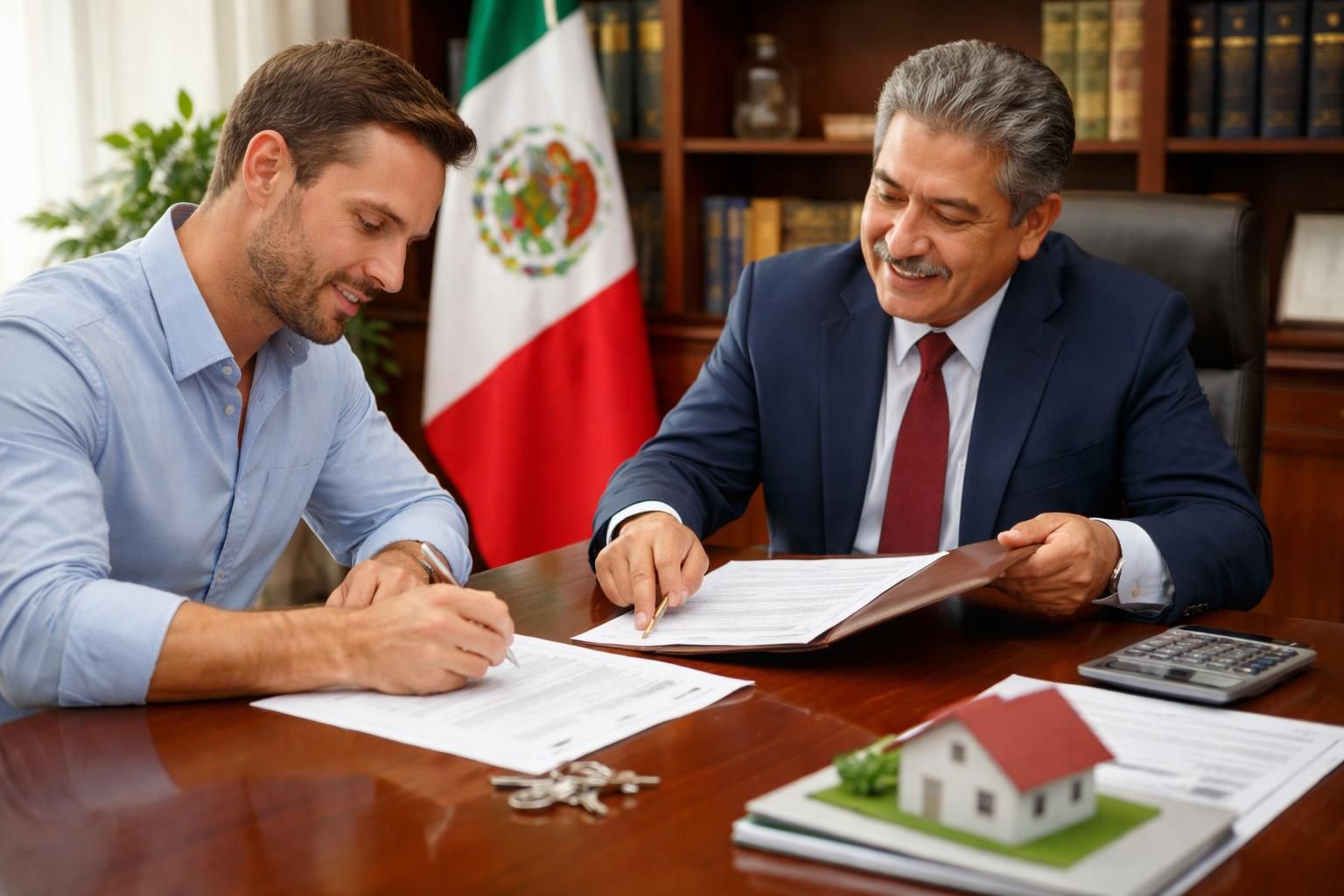
Property Purchase Timelines and Document Preparation: Navigating the Process Smoothly
Understanding the realistic timeline for property purchase in Mexico helps you align your document preparation and negotiations effectively. The entire process typically spans from 6 to 12 months for existing properties, influenced heavily by document collection, due diligence, and government processing. Delays often stem from incomplete paperwork, issues with title verification, or waiting for the SRE’s Convenio de Renuncia approval.
For foreigners, it’s advisable to apply for the Convenio de Renuncia as early as possible once you settle on a property. Delaying this step can extend your timeline by weeks. Similarly, setting up the fideicomiso can take up to 10 weeks depending on the bank and location. Some expats have reported faster closings in lower demand areas, but for highly sought-after markets such as Playa del Carmen or Cancun, thoroughness pays off.
Experts emphasize preparing your purchase agreement documents carefully, ensuring you have valid identification, residency or visa copies, tax identification number (RFC), proof of funds, and property ownership papers ready when negotiating closing dates with the notary. Efficient document handling can often cut months off the typical timeline. The role of a trusted attorney or real estate agent also remains invaluable in coordinating these detailed steps.
For more detailed insights on the duration of property closings in popular destinations like Playa del Carmen, visit this resource on How long does it typically take to close on a property in Playa del Carmen.
Summary of Key Documents Needed To Buy Property in Mexico as a Foreigner
| Document | Description | Purpose |
|---|---|---|
| Valid Passport | Government-issued photo ID from your home country | Proof of identity required in all transaction phases |
| Proof of Address | Utility bill or official statement confirming residency | Verification of current residential address for tax and legal records |
| Convenio de Renuncia | Waiver signed at the SRE office renouncing international claims | Required for foreigners to legally hold property rights in Mexico |
| Purchase Agreement (Contrato de Compraventa) | Notarized legal document signed by buyer and seller | Formalizes the property sale contract |
| Fideicomiso Setup Documents | Set of banking and trust contracts for restricted zone properties | Bank trust holding property title for foreigners where direct ownership is restricted |
| Tax Identification Number (RFC) | Mexican tax registration number for legal and fiscal purposes | Used for tax filings, transaction records, and compliance verification |
| Bank Reference | Financial history statement from your bank | Validates source of funds for compliance with anti-money laundering rules |
Can foreigners buy beachfront property in Mexico?
Yes, foreigners can purchase beachfront property in Mexico but must use a fideicomiso if the property lies within restricted coastal zones. The fideicomiso acts as a bank trust ensuring you have full ownership rights as the beneficiary while the bank holds legal title.
Is proof of residency required to buy property in Mexico?
No Mexican residency is required to purchase property as a foreigner. However, you will need to provide legal immigration documentation and sign the Convenio de Renuncia to abide by Mexican real estate law.
What is the role of the notary in a Mexican property purchase?
The notary public oversees the transaction, performs due diligence, verifies documents including the purchase agreement, manages tax payments, and registers the new ownership title. The notary acts as a trusted official ensuring legal compliance for both parties.
How long does it take to get the Convenio de Renuncia from SRE?
Processing times vary by location and workload but typically range between a few days to a few weeks. Applying as soon as you have a property chosen is advisable to avoid delays in your purchase timeline.
Do I need to speak Spanish to complete a property purchase?
While many professionals in popular locations speak English, understanding Spanish or hiring a translator is highly beneficial for comprehending contracts, communicating with authorities, and ensuring clear transactions throughout the buying process.