For Canadians considering the vibrant real estate market of Playa del Carmen, understanding the legal landscape and practical nuances of property ownership in Mexico is essential. This bustling Riviera Maya gem offers an attractive combination of tropical lifestyle, investment opportunities, and cultural richness that has caught the attention of foreign buyers, especially from Canada. However, with Mexico’s distinct property laws, particularly regarding foreign ownership in coastal areas, navigating this market requires informed decisions rooted in up-to-date knowledge of regulations, financing options, and ownership structures.
Canadian investors and future residents are drawn to Playa del Carmen’s expanding neighborhoods and beachfront developments that promise excellent returns through vacation rentals or long-term residency. Yet, the unique legal framework surrounding foreign ownership, including the mandatory use of fideicomisos (bank trusts) in restricted zones, can appear daunting. Coupled with considerations around taxes, residency permits, and financial services tailored to foreign nationals, Canadians need comprehensive guidance to avoid common pitfalls and maximize their investment potential.
This article unpacks everything Canadians must know about owning property in Playa del Carmen—from understanding Mexico property laws to detailed steps in the buying process. Integrating real-world examples and expert insight, it empowers Canadian buyers to confidently approach the Riviera Maya’s dynamic market and secure their slice of paradise with clarity and legal security.
Key Points for Canadians Owning Property in Playa del Carmen
- Foreign buyers, including Canadians, can legally own residential property in Mexico, but coastal zones require specific ownership structures like fideicomisos.
- Understanding the distinction between restricted and non-restricted zones is critical for Canadians aiming to purchase near the coast.
- Canadian buyers must navigate Mexican property laws, closing costs, and ongoing fees while integrating tax and residency considerations.
- Obtaining proper legal representation and verifying clear title is crucial to avoid common ownership mistakes in Mexico.
- Mortgage financing options exist but tend to favor buyers with residency status, and rates differ from Canadian norms.
How Canadians Can Legally Own Property in Playa del Carmen: Navigating Mexico’s Foreign Ownership Laws
Canada’s increasing interest in Playa del Carmen as a destination for investment and lifestyle has made understanding Mexico’s legal framework essential. Foreign ownership of property in Mexico is governed by a complex set of regulations, primarily influenced by the concept of the “restricted zone.” This zone encompasses land within 50 kilometers of Mexico’s coastline and within 100 kilometers of international borders, which directly affects Playa del Carmen due to its coastal location.
Understanding the Restricted Zone and Fideicomiso Trusts
For Canadians wishing to own property in Playa del Carmen, the key legal instrument is the fideicomiso, or Mexican bank trust. Since foreigners cannot directly own land in the restricted zone, a fideicomiso is established with a Mexican bank as trustee, holding the title on behalf of the foreign buyer who is the beneficiary. This system, introduced in the 1970s to protect national sovereignty while allowing foreign investment, ensures Canadians have full rights to use, rent, sell, and pass on the property to heirs.
The fideicomiso trust typically lasts 50 years and is renewable indefinitely, offering secure ownership comparable to direct title ownership. The trustee bank cannot sell or encumber the property without the beneficiary’s written consent, and the property rights for Canadians include all conventional ownership privileges.
Buying Outside the Restricted Zone
Canadians interested in properties farther from the coast can obtain direct ownership without a fideicomiso after completing certain formalities, including an Article 27 waiver from the Ministry of Foreign Affairs. This allows direct title registration in the buyer’s name. However, most Playa del Carmen properties suited for investment or living fall within the restricted zone, making fideicomiso usage prevalent.
Common Misconceptions Addressed:
- The bank does not own your property. The fideicomiso grants full beneficiary rights to the Canadian buyer.
- Ownership is not a temporary lease. The trust is a legally recognized, renewable long-term structure.
- Fideicomiso protects against losing property due to bank failure. The trust is distinct and regulated under Mexican federal law.
These structures not only comply with Mexico’s constitution but also provide Canadian buyers with peace of mind, enabling smooth property ownership similar to Canadian standards.
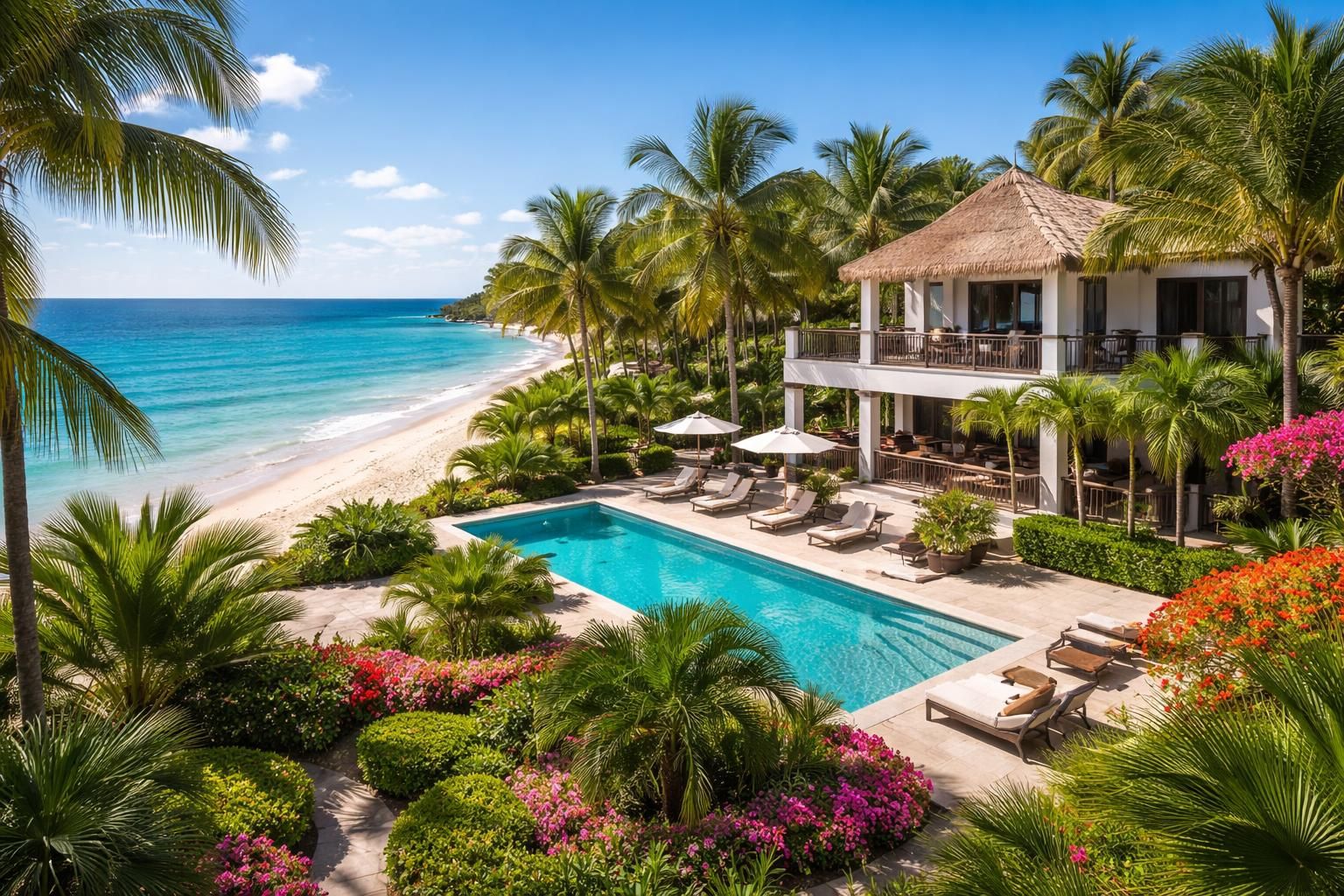
Step-by-Step Guide for Canadians Buying Real Estate in Playa del Carmen
Buying property in Playa del Carmen as a Canadian involves a clear sequence of legal and practical steps designed to ensure security and compliance. While the process shares similarities with foreign real estate transactions globally, Mexico’s use of fideicomisos and notarios publicos places unique requirements on prospective buyers.
1. Choosing Your Property and Making an Offer
Begin by selecting a property that meets your investment or lifestyle needs—be it a condo, townhouse, villa, or residential lot. Playa del Carmen offers options ranging from affordable developments in emerging neighborhoods to luxury beachfront homes. After selection, you submit a formal offer to the seller.
2. Signing the Promissory Purchase Agreement and Reservation
Once the offer is accepted, a promissory purchase agreement is signed. This document outlines the terms, price, and responsibilities of both parties and is usually accompanied by a reservation deposit. This stage marks the beginning of serious commitment but does not yet confer ownership.
3. Title Investigations and Legal Due Diligence
Thorough due diligence by a Mexican notary (notario público) and, ideally, an independent lawyer verifies the seller’s title, absence of liens, zoning compliance, and other legal factors. This step is crucial as many foreign buyers falter by proceeding without confirming clean title, risking disputes or loss of deposit.
4. Establishing the Fideicomiso with a Mexican Bank
For properties within the restricted zone, the buyer works with a Mexican bank to establish the fideicomiso trust. This process takes approximately 30–45 days and involves notarizing documents and paying related fees. The bank trustee holds the deed, while the Canadian buyer controls the property as beneficiary.
5. Closing the Sale and Registering Ownership
The final deed (escritura pública) is signed before the notario, outlining the transfer of rights. The notario also manages tax payments and registers the transaction with the Public Registry of Property, thereby granting official ownership to the buyer or trust.
6. Post-Purchase Considerations
After purchase, Canadians should consider obtaining an RFC (Mexican tax ID) if renting the property or managing it commercially, and ensure compliance with municipal regulations. Many buyers delegate property management to locally trusted firms for efficient rental operations.
For a comprehensive, step-by-step explanation, Canadians can visit this detailed guide on buying property in Playa del Carmen.
Understanding Investment Potential and Financing Options for Canadian Buyers
Playa del Carmen’s real estate market offers Canadians significant opportunities for both personal use and income generation. The Riviera Maya continues to attract tourists globally, leading to strong demand for rental properties, especially condos and vacation homes close to the beach.
Investment Advantages in Playa del Carmen
Canadians can capitalize on rising property values and robust rental markets supported by platforms like Airbnb, offering attractive yields. The area’s infrastructure development, international airport proximity, and lifestyle amenities make it an enduring hotspot.
Types of Properties in Demand
- Condos and Apartments: Popular among holiday renters seeking secure, low-maintenance options.
- Villas and Single-Family Homes: Preferred for long-term residents or higher-end vacation rentals.
- Developments with Amenities: Gated communities with pools, security, and concierge services add rental appeal.
Mortgage Financing Availability
While many Canadians purchase properties outright with cash, mortgage options do exist. Mexican banks like BBVA México, HSBC México, and Scotiabank are foreigner-friendly but require residency or strong income documentation to approve loans. Typical down payments range from 30% to 50%, with mortgage rates between 11.5% and 15% annually on fixed peso loans.
Financing Alternatives
- Developer financing, often with flexible terms for presale purchases.
- U.S. or Canadian cross-border lenders with portfolio loans designed for foreign real estate.
Canadians should weigh financing costs against their investment horizon and currency exchange risks. Those planning to rent may benefit from leveraging mortgage financing, while others prefer the simplicity of cash purchases to streamline transactions.
Taxes, Fees, and Ongoing Costs for Canadians Owning Property in Playa del Carmen
When Canadians acquire property in Playa del Carmen, understanding the full cost picture beyond the purchase price is vital for budgeting and legal compliance. Mexico imposes a series of taxes and fees—including acquisition taxes, notary fees, property taxes, and income taxes on rental earnings—that affect both initial and ongoing ownership costs.
Typical Closing Costs Breakdown
| Expense | Percentage or Amount | Description |
|---|---|---|
| Acquisition Tax (ISAI) | 3% – 5% of purchase price | State-imposed tax on property transfer; highest single closing cost. |
| Notary Fees | 1% – 2% | Legal processing, deed formalization, and registration management. |
| Registry Fees | 0.5% – 1% | Public registry charges for recording ownership. |
| Fideicomiso Setup Fee | USD 1,500 – 2,500 (one-time) | Bank trust establishment cost for restricted zone properties. |
| Annual Fideicomiso Renewal | USD 400 – 700 | Yearly bank fee to maintain the trust. |
Annual Property Taxes (Predial)
Typically range from MXN 2,000 to 30,000 (approximately USD 110 to 1,650), depending on municipal cadastral values. These taxes are modest compared to many Canadian provinces but vary locally.
Income Tax on Rental Income
Non-resident foreigners generally pay a flat 25% tax on gross rental income unless otherwise advised by a tax professional. Registrations like the RFC tax ID are mandatory for proper filings. Additional taxes like VAT may apply to short-term rentals, making professional advice crucial for Canadian investors.
Insurance Considerations
Property insurance annually costs roughly USD 300 to 1,500, depending on coverage for natural events such as hurricanes or earthquakes. Playa del Carmen’s coastal location makes comprehensive coverage essential to mitigate weather-related risks.
Best Practices for Canadians to Avoid Pitfalls in Property Ownership in Playa del Carmen
Despite the compelling investment prospects, many foreign buyers—Canadians included—have encountered hurdles in Playa del Carmen due to insufficient legal preparation or lack of local market knowledge. Avoiding common mistakes ensures a smooth acquisition and protects the long-term value of your investment.
Verify Clear Title Before Payment
The most frequent error is proceeding with payments before confirming the seller’s title is clean and registrable. For example, buyers may face significant delays if the property is part of disputed ejido lands or has unresolved liens. Legal experts and notaries can verify these critical details through Public Registry checks and lien certificates.
Engage Expert Legal Counsel
Hiring a qualified Mexican lawyer experienced in foreign real estate transactions complements the role of the notario. This allows for thorough review of contracts, title documents, and fideicomiso terms, safeguarding the buyer from hidden risks or unfavorable clauses.
Respect Zoning and Usage Rules
Many investors fail to confirm if intended uses—such as short-term rentals or commercial activities—are permitted by local zoning laws or condominium bylaws. Municipal certificates regarding zoning can avoid costly rejections or fines later.
Be Cautious with Ejido and Presale Properties
Ejido lands and some presale developments may carry additional risks. Legal verification of land status and developer credibility is essential before commitment.
Maintain Open Communication with Local Authorities
Regular updates and compliance with tax registrations, utility payments, and community rules contribute to hassle-free ownership in the long run.
Leveraging localized expertise and thoroughly understanding the Mexican legal environment preserves Canadian investments in Playa del Carmen, turning potential challenges into opportunities.
Can Canadians directly own beachfront property in Playa del Carmen?
Canadians can own beachfront property through a Fideicomiso, a bank trust that allows full control and ownership rights despite restrictions on direct ownership in coastal zones.
Are there financing options available for Canadians buying property in Mexico?
Yes, Mexican banks and some international lenders offer mortgages to foreigners, although better terms are typically available to residents or those with strong financial documentation.
Do Canadians need residency to buy property in Playa del Carmen?
Residency is not required to purchase property; however, certain administrative steps and tax registrations may be simpler for residents.
What are the ongoing costs for owning property as a Canadian in Playa del Carmen?
Ongoing costs include annual property tax (predial), fideicomiso renewal fees, insurance, and potential taxes on rental income if the property is rented out.
What is the importance of hiring a notary and lawyer in the buying process?
The notary public formalizes the property transfer and ensures tax compliance, while a lawyer represents the buyer’s interests, reviews documents, and mitigates legal risks.