Brief: Pricing a condo in Playa del Carmen requires a deep understanding of the local market dynamics, true cost factors, and nuanced property valuation methods. This article breaks down the latest condo pricing trends, keys to accurate market analysis, and offers practical tips on implementing a robust pricing strategy in 2026’s evolving real estate environment.
Understanding Playa del Carmen Real Estate Market Dynamics
The Playa del Carmen real estate market remains one of the most vibrant and attractive investment destinations in the Riviera Maya, shaped by factors unique to 2026. Unlike nearby Tulum, where the market faces supply saturation and infrastructure challenges, Playa continues to benefit from its well-established infrastructure, walkability, and strong international buyer demand, making it a hotspot for savvy investors. In fact, condo prices have witnessed approximately a 55% increase since 2020, with a more sustainable annual appreciation rate now settling between 8% and 10%.
The diversity within Playa del Carmen’s neighborhoods plays a crucial role in property valuation. Areas like Coco Beach and Playacar Phase II command premium prices, often 3 to 4 times higher per square meter than inland neighborhoods such as Ejidal or Colosio. For example, beachfront condos in Coco Beach typically range from MXN 75,000 to MXN 120,000 per square meter, reflecting scarcity and luxury amenities. In contrast, more affordable entry points around Ejidal might cost between MXN 25,000 and 45,000 per square meter but require thorough diligence due to older building stock and variable HOA quality.
Investors should pay special attention to the condo market trends that impact pricing such as short-term rental (STR) dynamics, infrastructure projects like the Maya Train, and fluctuations in currency exchange rates. Each of these elements plays a significant role in shaping the competitive pricing landscape and, ultimately, the investment return for property holders.
Another essential element in Valencia’s real estate market analysis is focusing on the health and management of the Homeowners Association (HOA). Buildings with strong, transparent HOAs and robust reserve funds tend to attract better tenant quality and maintain values better over time. In 2026, the premium place is given to properties with proven rental demand, sound HOA budgets, and consistent management, factors that go beyond location and physical attributes.
For foreign investors, particularly Canadians and Americans, understanding local ownership laws via fideicomiso trusts, plus all associated closing costs including notario fees, acquisition taxes, and HOA dues, is vital to accurately calculating the true ownership cost versus the sticker price. This is a cornerstone of effective pricing strategy success and avoiding surprises that can erode investment returns.
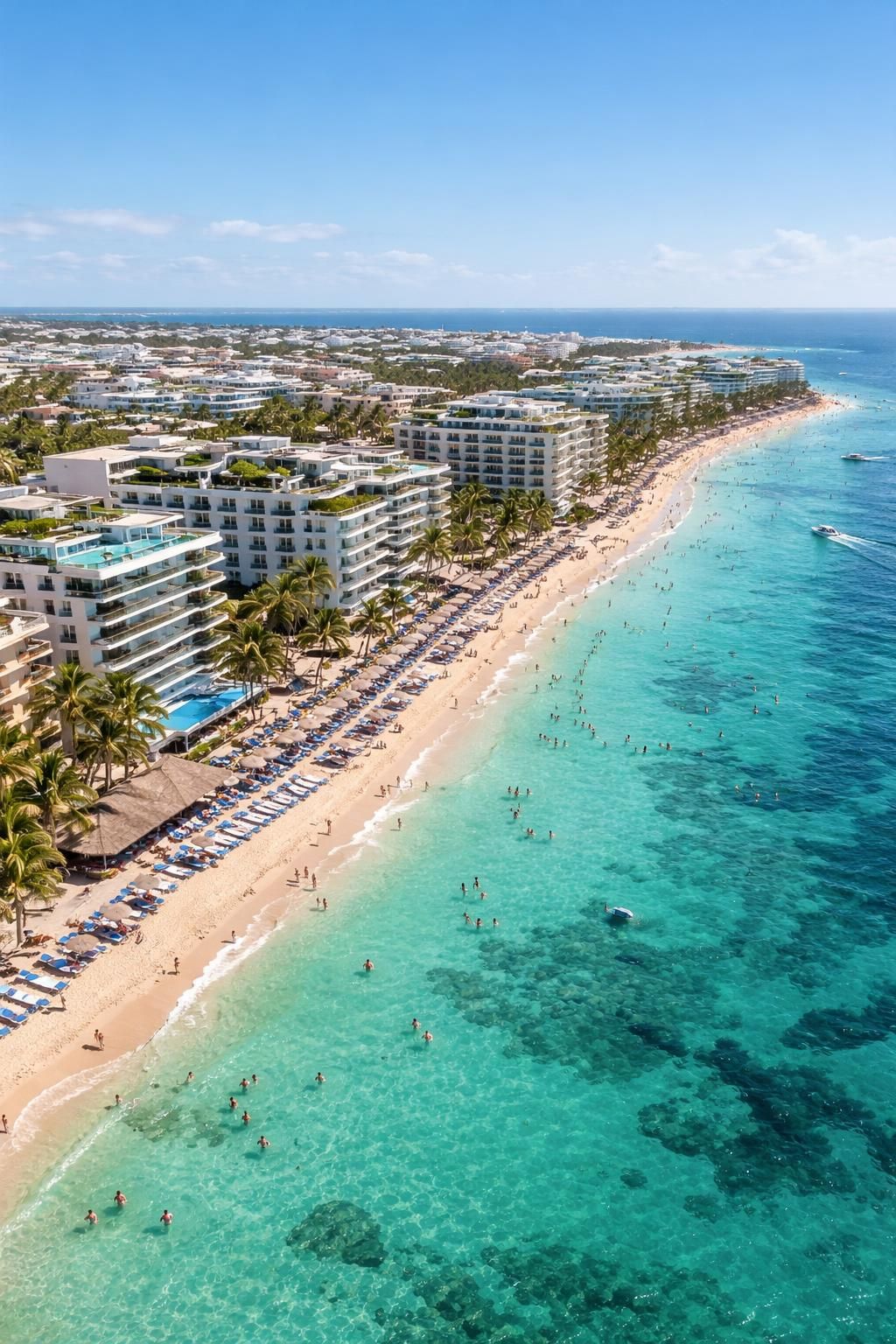
How to Use Pricing Strategy and Market Signals to Value Your Condo Correctly
Setting the right price starts with mastering the interplay of market signals and understanding pricing strategy beyond superficial features. In Playa del Carmen, price per square meter (PPM2) is the benchmark. However, the key is to isolate interior living space from terraces or rooftops since outdoor areas command separate value considerations based on location and quality.
Start by collecting at least three comparable sales or listings within the same submarket and product type—whether it’s a boutique condo building or a large amenitized tower. The challenge is further complicated by currency fluctuations: list prices are typically denominated in USD for international comparability, but closing costs and actual owner outlays are in MXN. A best practice is to monitor a 30-day average USD/MXN exchange rate from Banxico to smooth volatility in price comparisons.
For example, condos adjacent to the beach and near the famous Fifth Avenue command a higher PPM2, reflecting walkability and rental demand. Discounts or premiums in this market follow a consistent hierarchy:
- Beachfront > Second row from the beach > Inland
- Centro/gonzalo Guerrero (downtown) > Peripheral neighborhoods
- Proven HOA management > Recently formed or developer-controlled HOAs
- Delivered units > Preconstruction projects
Preconstruction condos typically offer lower prices but carry completion and utility connection risks, in addition to escrow payment schedules. Resale properties provide the security of ready occupancy and verifiable rental history but may come at a slight premium. A well-informed buyer weighs these trade-offs carefully rather than chasing apparent discounts that lack substantive protections.
Tracking tourism data such as occupancy and average daily rates (ADR) through platforms like DATATUR and AirDNA is an essential part of determining a fair price and expected yield. Seasonal peaks, especially from December through April, generate up to 70% of annual rental revenues, shaping the timing and price expectations for investment condos.
Understanding operational costs is fundamental to setting a competitive price. These include: HOA fees, management commissions, utilities, taxes, insurance, property maintenance, and typical furniture replacement cycles. Knowing the full operating budget enables realistic assessment of investment return and cash flow. For a deeper dive into furnishing costs, see how to furnish a rental condo in Playa del Carmen.
Neighborhoods and Submarket Nuances Impacting Condo Pricing in Playa del Carmen
Playa del Carmen isn’t a single market but a collection of nuanced submarkets shaped by location, lifestyle, and infrastructure. Passable pricing strategies rely on deep local knowledge about each neighborhood’s supply, demand, and absorption characteristics.
Coco Beach and Zazil-Ha remain the premium beachfront zones where scarcity drives prices to the upper ranges of the scale. These areas support strong short-term rental demand due to proximity to the sea and tourist amenities. However, ensuring that coastal properties have updated dune protection and insurance coverage is critical to safeguarding your investment and reflected in price premiums.
Playacar Phase II offers gated community living with family-friendly environments, golf courses, and secure amenities, attracting longer-term renters and high-net-worth buyers. Prices here reflect stability with a typical range of MXN 65,000 to 95,000 per square meter and robust HOA governance.
Centro and Gonzalo Guerrero provide walkable access to Mexico’s famous Fifth Avenue shopping and nightlife. While prices in these neighborhoods are mid-range, they benefit immensely from sustained rental demand and highly rated Airbnb listings. Noise can be a challenge, necessitating careful building and HOA selection to ensure soundproofing and good management.
Further inland, Colosio and Ejidal offer more affordable entry points, though buyers must exercise caution. These areas are undergoing gentrification but come with older buildings and less active HOA frameworks, creating potential risks. Price per square meter here is often 40–50% of beachfront values, but this discount requires buyers to perform rigorous due diligence on title history and HOA financial health.
For investors focused on long-term rental rather than short-term vacation stays, neighborhoods further from the beach with stable, local renters often provide reliable net yields in the range of 5–6%. This contrasts with the more volatile but potentially higher gross returns from short-term rentals that can reach 8–13% before expenses.
Developers often target different buyer personas, so understanding the strategic positioning of boutique vs. large amenitized towers also impacts valuation. Boutique buildings tend to have lower HOA and more personality but less liquidity. Amenitized towers offer pools, gyms, and rooftop spaces but coupled with higher fees reflected in operating expenses.
To keep up with the latest shifts within Playa del Carmen and the surrounding Riviera Maya, consulting detailed local market analysis like the Playa del Carmen real estate market report 2026 is highly recommended for making well-informed purchase decisions.
Cost Components and Fees Influencing the Real Price of Your Condo
One critical mistake often made in pricing condos is ignoring the “soft” and hidden costs that inflate the actual acquisition price and operation expenses. Closing costs such as notario fees, transfer taxes (commonly ISAI at 3% in Solidaridad municipality), appraisal fees, and fiduciary trust setup (fideicomiso) fees add roughly 5–7% to the purchase price. These are mandatory and vary from city to city. Buyers should get detailed written quotes before committing.
HOA fees cover maintenance, staff salaries, utilities, appliance upkeep, and reserves for major repairs. These costs can range widely from about $150 to $400 USD monthly depending on the amenities and management. Well-capitalized HOAs with healthy reserves help maintain property value and reduce the likelihood of special assessments.
In addition to monthly fees, annual expenses such as property taxes (predial), insurance, and utilities must be budgeted. Property tax in Mexico is relatively low, approximately 0.19% of assessed value, highly favorable compared to North American jurisdictions.
For preconstruction properties, early buyers face additional risks due to construction delays and delivery uncertainties, which demand careful scrutiny of permits, environmental impact statements, and utility connection letters. For this reason, deposits for precon purchases are often escrowed, with payment tied strictly to construction milestones to mitigate risk.
Investment returns are directly impacted by these hidden costs—you must incorporate them when modeling net operating income and determining your pricing limits. The average ROI on rental condos in Playa del Carmen reflects these realities and offers a useful benchmark for expected yields after all expenses.
| Cost Component | Typical Range | Impact on Price |
|---|---|---|
| Notario and Registration Fees | 1.5% – 3% of purchase price | Raises acquisition cost, important in negotiation |
| Transfer Tax (ISAI) | 3% in Playa del Carmen (Solidaridad) | Major closing cost, higher than Cancun or Tulum |
| Fideicomiso Setup and Annual Fee | $500 – $700 USD per year | Required for foreigners’ ownership, influencing holding cost |
| HOA (Mantenimiento) Fees | $150 – $400 USD per month | Ongoing operational expense affecting yield |
| Property Tax (Predial) | Approx. 0.19% of assessed value annually | Low compared to US/Canada, but must be factored |
| Utilities & Miscellaneous | Varies, typically $50-$150/month | Operational cost to monitor |
Practical Steps for Pricing Your Condo with Competitive Precision
To achieve competitive pricing that attracts qualified buyers or renters, it is essential to combine quantitative analysis with qualitative insights. Begin by building your own price-per-square-meter tracker, updated weekly, to observe shifts in the active and sold listing prices. Record details: submarket, unit size, HOA, days on market, listing, and closing prices in both USD and MXN, and recent exchange rates for accuracy.
Next, integrate tourism demand indicators such as occupancy rates and seasonal ADR from trustworthy sources like DATATUR and AirDNA. These data points provide context on rental potential, which heavily influences buyer valuation, particularly if your pricing framework factors in short-term rental income as part of overall investment return.
Here is a checklist to refine your pricing approach and ensure you don’t overlook critical details:
- Verify title and ownership: Confirm clear property titles and fideicomiso trust bank agreements.
- Validate permits and utility connections: Especially critical for preconstruction units to reduce delivery risk.
- Assess HOA financial health: Review budgets, reserve funds, and delinquency rates.
- Inspect property condition: MEP systems, waterproofing, finishes—all impact long-term expenses.
- Calculate all acquisition and operating costs: Closing costs, HOA fees, taxes, insurance, utilities, and property management.
- Adjust for FX impacts: Model pricing and future income in MXN and USD to accommodate currency fluctuations.
- Study neighborhood momentum: Infrastructure progress like the Maya Train can justify pricing premiums in emerging corridors. Detailed analysis of these effects is available at how infrastructure projects are influencing property values in Playa del Carmen.
Executing these steps will root your pricing in solid data rather than promotional hype. It will enhance the credibility of your offering to prospective buyers or institutional investors who increasingly demand transparency and verifiable metrics in their purchase decisions.
How do I determine the fair market price for a Playa del Carmen condo?
Start with gathering at least three comparable sales or active listings within the same neighborhood and building type. Calculate their price per square meter using interior living area only, and adjust for view, amenities, and delivery status. Incorporate closing costs and current USD/MXN exchange rates to find the true comparable net cost.
What hidden costs should I consider when pricing my condo?
Be sure to account for transfer taxes, notario fees, fideicomiso setup and annual fees, HOA dues, property taxes, and operating expenses like utilities and insurance. These add between 5-10% to the sticker price and can significantly affect your overall investment returns.
Is preconstruction always cheaper than resale?
Not necessarily. Preconstruction discounts should reflect risks related to permitting, construction delays, and utility hookups. Resale properties offer immediate occupancy and verifiable rental income history but might command a premium. Compare risk-adjusted prices carefully.
How does tourism impact condo pricing in Playa del Carmen?
Tourism demand heavily influences rental yields, thus affecting market prices. Higher occupancy and average daily rates (ADR) in certain neighborhoods increase investor interest and price ceilings. Tracking platforms like DATATUR and AirDNA helps price your condo relative to real market demand.
What role does HOA management play in condo pricing?
Strong HOA governance, adequate reserve funding, and transparent budgeting maintain property values and attract tenants. Poorly managed HOAs risk special assessments and lower rental returns, which should be reflected in pricing.