Buying property in Playa del Carmen in 2026 presents a complex but promising opportunity within Mexico’s Riviera Maya region, a vibrant market shaped by dynamic local economic and tourism forces. Investors and homebuyers confront a “two-speed” landscape where mature, established neighborhoods retain steady appeal due to infrastructure and rental demand, while more speculative luxury developments face challenges. With tourism deeply intertwined with the property market’s momentum, understanding factors such as evolving regulations, financing conditions, and neighborhood-specific trends is crucial for safety and profitability. Playa del Carmen remains a top contender for foreign buyers thanks to its walkable core, active short-term rental scene, and lifestyle appeal, but cautious due diligence is more important than ever to navigate potential investment risks and capitalize on growth zones.
Key Highlights to Keep in Mind:
- Playa del Carmen’s property market in 2026 is mature, with selective opportunities focused on proven, well-located condos and family homes.
- Safety in investment hinges on thorough legal clarity, developer reputation, and realistic rental income expectations amid rising mortgage costs.
- Tourism continues to support rental demand, though with some seasonality and market softness in luxury and speculative segments.
- Local regulations, including zoning and new Airbnb licensing, impact long-term viability and operational compliance for short-term rentals.
- Infrastructure improvements like the Tren Maya and Tulum airport enhance regional connectivity, influencing neighborhood desirability but requiring nuanced assessment.
Understanding Playa del Carmen’s Real Estate Market in 2026: Safety and Strategic Buying
Playa del Carmen stands as one of Mexico’s most active real estate centers, with a diverse buyer base that includes international investors, retirees, remote workers, and locals. Yet, the 2026 market is no longer a simple upward trajectory. Instead, it presents a nuanced environment where safety in property buying is tied closely to understanding localized housing trends, transaction risks, and evolving market dynamics.
The primary reality for 2026 is the differentiation between various micro-markets within Playa del Carmen. Neighborhoods like Centro, Coco Beach, Playacar, Mamitas, and Zazil Ha remain highly desirable due to walkability, proximity to the beach and amenities, and proven rental histories. These micro-markets tend to out-perform, offering safer investment alternatives compared to generic or oversupplied condo projects lacking rental management or legal clarity.
Buyers seeking safety should prioritize properties with:
- Clear legal title and proper permits: Due diligence must confirm ejido-free land and the presence of construction permits in compliance with local laws.
- Developer reputation and track record: Working with established agents and vetted builders minimizes risks of delayed projects and poor construction quality.
- Proven rental management: Historical occupancy rates and professional property management enhance income stability.
- Reasonable price points: Negotiated prices that reflect market softness in some segments improve long-term value preservation.
Notably, speculative pre-construction units in micro-markets with oversupply, especially luxury condos without escrow protections or finished amenities, carry substantial risk. Investors should avoid projects that emphasize flashy outdoor facilities but skimp on unit quality, as several examples have emerged where wear-and-tear appears after just a couple of years.
Understanding the property market in Playa del Carmen also involves recognizing the influence of tourism. While short-term rental demand remains robust in popular areas and around major attractions such as Fifth Avenue, market saturation in luxury segments and elevated operating costs temper expected returns. Owners increasingly must balance lifestyle benefits against modest net rental income, often covering expenses rather than generating outsized profits.
In conclusion, safe property buying in Playa del Carmen in 2026 is achievable but requires a sharp focus on location, legal safeguards, developer integrity, and realistic investment returns.
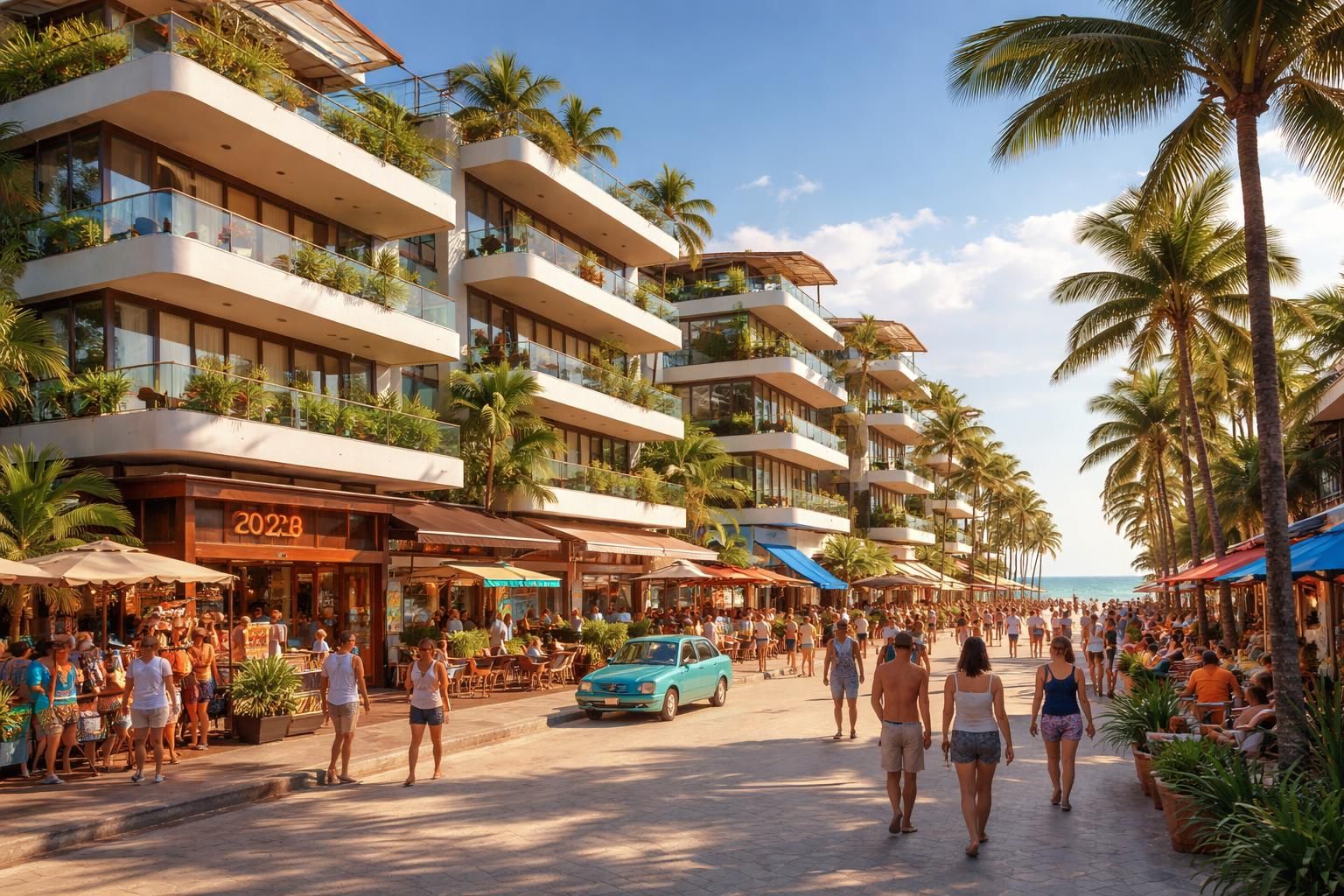
How Local Regulations and Infrastructure Shape Property Buying Safety in Playa del Carmen
Local regulations serve as both a protective framework and a potential source of uncertainty for property buyers in Playa del Carmen. The introduction of new zoning rules and updated urban development plans (PDU) in 2026 play a crucial role in shaping where and how developments can grow and what kind of property is legally viable.
One of the most impactful changes recently is the mandatory licensing for Airbnb rentals, which aims to regulate the burgeoning short-term rental market. This licensing ensures compliance with safety standards, taxation, and community impact mitigation, but it also adds operational hurdles for owners who rely heavily on short-term rental income. Understanding and adhering to these regulations reduces legal risks and fosters sustainable rental operations.
Moreover, the 2026 PDU update addresses density, environmental protection, and infrastructure utilization, creating a more structured and predictable framework for property owners and developers. Well-defined land use and density restrictions help sustain neighborhood character and control overbuilding, thus protecting property values in established areas.
On the infrastructure front, the completion and operation of the Tren Maya railway and recent upgrades to the Tulum airport have enhanced connectivity across the Riviera Maya, indirectly benefiting Playa del Carmen. While the immediate direct impact on property prices remains moderate, improved regional access is stimulating steady population and tourism growth, particularly in well-served areas.
The upcoming new causeway connecting downtown Playa del Carmen to the Hotel Zone will generate new hotspots for real estate demand, easing mobility and boosting local commerce. However, buyers should appraise each neighborhood carefully since infrastructure effects are uneven and can take years to translate into price appreciation.
| Local Regulation or Infrastructure | Impact on Property Buying Safety | Investor Considerations |
|---|---|---|
| Airbnb Licensing Requirement | Improved legal compliance reduces fines and market disruption | Owners must factor licensing costs and rules into rental income and management plans |
| 2026 Urban Development Plan (PDU) | Provides zoning clarity and controls over density | Encourages buying in legally permitted zones; limits speculative land purchases |
| Tren Maya Rail Service | Enhances connectivity between Playa, Tulum, and Cancun | Supports long-term appreciation in transit-accessible areas |
| New Causeway to Hotel Zone | Increases mobility and access to key tourism areas | Potential hotspot for emerging neighborhoods and rental demand |
In summary, aligning property buying decisions with current regulations and infrastructure developments significantly raises the safety and potential returns of real estate investment in Playa del Carmen.
Balancing Investment Risks with Opportunities in Playa del Carmen’s Property Market
Real estate investment carries inherent risks, and Playa del Carmen is no exception. Recognizing these risks and balancing them with opportunities is a cornerstone of safe purchasing strategies in 2026.
Common investment risks include:
- Speculative raw land purchases: Land without access roads, utilities, or proximity to demand centers often remains illiquid and may never appreciate if infrastructure projects stall.
- Pre-construction projects from unproven developers: Many developers launched presales during the past boom years without completed projects or escrow protections, raising concerns about project delays or failure.
- High-maintenance luxury beachfront villas: These properties demand hefty upkeep, taxes, and security costs, often without commensurate rental returns unless owner-occupied or managed by a top-tier operator.
- Properties lacking legal clarity: Ejido lands or parcels with missing or problematic permits pose serious title risks and potential legal disputes.
- Overpriced, small studio units in saturated short-term rental corridors: These often fail to generate sustainable rental income, especially when competing against professional hotels.
- Eco communities far from urban centers: Many are undeveloped or speculative, with infrastructure and logistical challenges that discourage long-term habitation or appreciation.
On the opportunity side, Playa del Carmen still offers a balanced mix of investment avenues:
- Well-located condos in Centro, Coco Beach, and Playacar: These enjoy proven renter demand, quick sell times, and stable prices.
- Family homes and townhouses in neighborhoods like Ciudad Mayakoba and Selvamar: Strong for long-term rentals and lifestyle buyers.
- Beachfront or near-beach properties with professional management: Although pricier, they benefit from premium nightly rates and higher portfolio resilience.
Choosing the right property type and neighborhood can dramatically mitigate risk. It’s equally important to work with experienced realtors who can vet developers, verify legal status, and provide access to historical occupancy and sale data. Investing in Playa del Carmen is safest when guided by transparent, realistic market assessments rather than hype or speculation.
Tourism Impact on Property Demand and Safety in Playa del Carmen
Tourism is a major driver of Playa del Carmen’s real estate market, influencing both property values and rental dynamics. The city’s well-established reputation as a tourist destination attracts a diversified mix of visitors—vacationers, digital nomads, and retirees—fueling demand for both short-term rentals and owner-occupied homes.
In 2026, tourism remains robust but somewhat seasonal. Visitor flows have stabilized after the initial post-pandemic rush, with gradual growth supported by improved transportation infrastructure such as airports and train connections.
The impact on property buying safety is twofold:
- Positive: Steady tourist arrivals ensure a tenant base for short-term rentals and help maintain property liquidity. Prime areas like the Fifth Avenue corridor and beachfront zones command higher nightly rates, supporting investor confidence.
- Challenges: The presence of oversupplied luxury inventory and stricter rental regulations slightly dampen short-term rental profitability. Seasonal fluctuations mean that some properties experience vacancy during low seasons, affecting cash flow predictability.
Moreover, local government efforts to regulate short-term rentals — primarily via licensing requirements and official registration — contribute to more transparent operating environments. These regulations have a stabilizing effect on the market but require owners to maintain compliance to avoid penalties.
Understanding tourism’s nuanced effect on rental demand can help buyers assess their property’s income potential realistically and protect their investment from unexpected downturns.
Housing Trends and Buyer Behavior: What Makes Property Buying in Playa del Carmen Safe in 2026?
Buyer behavior in Playa del Carmen’s 2026 real estate market reflects a maturing attitude, with more focus on quality, lifestyle compatibility, and legal security rather than speculative gains. Increasingly, purchasers are conducting detailed due diligence, seeking well-managed developments with transparent governance and staying power.
Housing trends reveal:
- Moderated price growth: Prices are about 10-20% above what local incomes alone would support, indicating reliance on foreign demand and tourism.
- Increased negotiation power: The rise in mortgage interest rates cools local affordability, allowing buyers to negotiate better terms on many listings.
- Longer selling cycles: While prime homes still sell in 60-120 days, generic condos often require several months, urging buyers to be selective and patient.
- Demand for multi-bedroom units: A shift toward 1- to 2-bedroom condos and family homes reflects changing demographics and preference for spacious living over studio apartments.
For purchasers prioritizing safety, focus areas include Centro, Coco Beach, Playacar, Mamitas, and Zazil Ha—locations with established rental records and community amenities. Buyers also find better returns and resale prospects when investing in units managed by competent property firms that handle tenant relations, building maintenance, and HOA administration.
Overall, the safest approach to buying property in Playa del Carmen is to merge long-term outlooks with practical lifestyle goals, backed by comprehensive market intelligence and local expert guidance.
Is it safe for foreigners to buy property in Playa del Carmen in 2026?
Yes, foreigners can legally and safely purchase property through fideicomiso (bank trust), provided they conduct proper due diligence on property titles, developer reputation, and legal compliance.
What are the main risks when investing in Playa del Carmen real estate?
Speculative land without clear access or permits, pre-construction projects from unproven developers, and properties with unclear titles pose the greatest risks. High-maintenance luxury villas without rental guarantees also carry financial risks.
How does tourism impact the property market and rental income?
Tourism sustains rental demand and supports property values in popular areas, but seasonal fluctuations and tighter regulations require buyers to manage expectations and stay compliant with local rules.
Are home prices in Playa del Carmen expected to drop?
A broad market price decline is medium risk; some oversupplied luxury segments may face price corrections while prime resale properties often remain stable or appreciate moderately.
What neighborhoods offer the safest property investment opportunities?
Centro, Coco Beach, Playacar, Mamitas, and Zazil Ha stand out as locations with solid rental demand, legal clarity, and walkability, making them safer options for property investment.