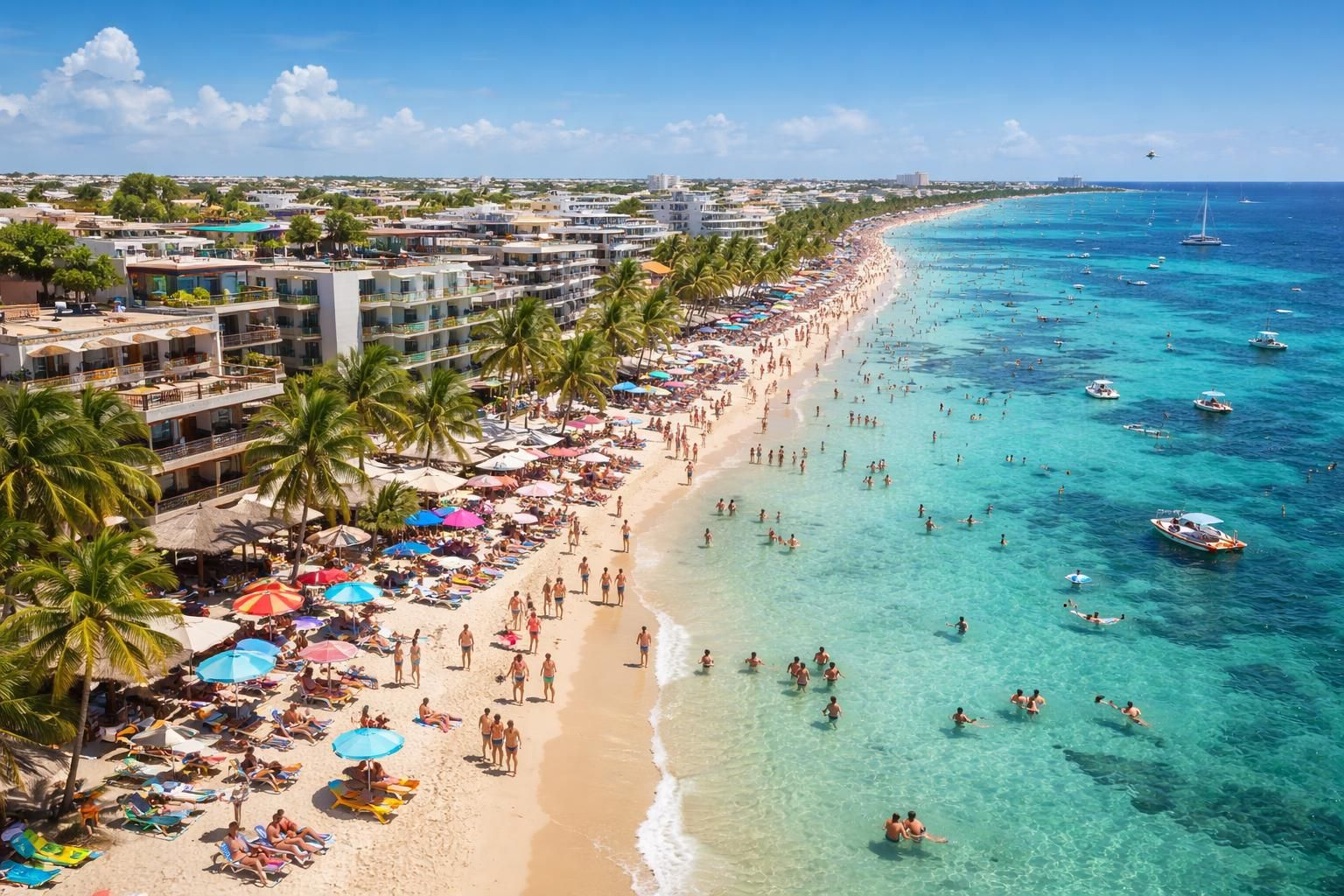
The debate over the ideal location for real estate investment in Mexico’s Riviera Maya is intensifying, particularly between Playa del Carmen and Tulum. Both are undeniably attractive destinations, offering the turquoise allure of the Caribbean and vibrant tourism growth, yet they cater to different types of investors and lifestyles. Playa del Carmen stands out as a bustling city with robust infrastructure, reliable services, and a walkable beach town vibe anchored by its famous 5th Avenue. In contrast, Tulum remains a nature-lover’s paradise, defined by its lush jungle scenery, pristine cenotes, and an atmosphere steeped in wellness and eco-conscious living. For investors eyeing 2026, understanding the detailed contrasts and opportunities each destination offers is essential for making informed decisions about real estate investment and capitalizing on the evolving property market.
Key Highlights:
- Cost of Living: Playa del Carmen is 20-30% more affordable for long-term residents compared to Tulum.
- Rental Yields: Tulum projects higher gross rental yields of 12-18%, surpassing Playa’s 8-12% range.
- Infrastructure: Playa del Carmen offers superior reliability in electricity, water, healthcare, and road systems.
- Investment Risks: Tulum faces substantial real estate oversupply risks, whereas Playa benefits from moderate supply dynamics.
- Lifestyle Appeal: Playa caters to urban living with extensive amenities, while Tulum lures wellness-focused and nature-oriented buyers.
Understanding Infrastructure and Lifestyle Differences Between Playa del Carmen and Tulum for 2026 Real Estate Investment
Infrastructure remains a cornerstone in evaluating real estate investment, particularly in the Riviera Maya, where both Playa del Carmen and Tulum offer contrasting frameworks. Playa del Carmen’s 30+ years as a developed tourist destination have established a mature and reliable network for electricity, water, healthcare, and transportation. For example, it boasts two international-standard hospitals—Hospiten and Galenia—offering expats and residents comprehensive healthcare access. The city’s grid layout and paved roads support a walkable lifestyle, especially around the bustling 5th Avenue, eliminating the necessity of owning a car for most residents.
Conversely, Tulum’s infrastructure is still playing catch-up. While the recently opened Tulum International Airport (TAB) reduces travel times, parts of the town still suffer from intermittent power outages, often relying on generators. Its roads present a mix of paved and unpaved surfaces, complicating transport and daily living. The local healthcare system remains limited to basic clinics, with serious medical cases necessitating quick transfers to Playa or Cancun. From a daily living standpoint, many households depend on water delivery trucks, and sewage treatment systems vary widely.
This division markedly influences lifestyle and real estate demand. Playa’s infrastructure supports a more urban and stable lifestyle, attractive to expats, families, and remote workers who prioritize reliability and conveniences. Tulum, while captivating with its eco-luxe boutique hotels and natural appeal, requires a willingness to accept infrastructural trade-offs in exchange for immersive jungle and beach experiences. Car ownership in Tulum is practically a necessity due to its spread-out attractions like ruins, cenotes, and wellness centers, notably increasing living expenses.
Practical Implications for Investors and Residents
When considering property market dynamics, infrastructure reliability can significantly impact rental income sustainability. Playa del Carmen’s dependable utilities and walkability enhance its appeal for long-term rentals and vacationers seeking comfort without sacrificing convenience. Tulum’s infrastructure variability, however, introduces notable risks, thereby demanding a more nuanced investment approach centered on micro-market analysis, especially given the area’s ongoing real estate boom.
For those prioritizing lifestyle over infrastructure, Tulum’s globally recognized wellness scene and vibrant nightlife – including hotspots like Papaya Playa and Zamna – present unique opportunities for niche rental markets including yoga retreats, eco-tourists, and festival-goers. Playa del Carmen, with its established expat community and broad range of city amenities from Costco to ADO bus lines, suits those valuing urban connectivity and social infrastructure.
Cost of Living and Rental Income: A Detailed Comparison for Real Estate Investors
Cost considerations play a pivotal role in assessing which location offers better value for money in 2026. Playa del Carmen is consistently 20-30% less expensive across various categories. For example, furnished one-bedroom apartments rent for $800–$1,400 per month in Playa versus $1,200–$2,200 in Tulum. Dining options also reflect this disparity; a mid-range dinner for two in Playa may cost $25–$50, while in Tulum, prices often range from $40–$90.
The total monthly expenses for a comfortable single expat amount to approximately $1,400–$2,200 in Playa, compared to $2,000–$3,500 in Tulum. Transportation further highlights lifestyle differences — Playa’s walkable layout contrasts sharply with Tulum’s requirement for a car or scooter, costing an additional $150–$500 monthly depending on the mode.
From an investor’s perspective focused on rental income, Tulum offers alluring gross rental yields between 12-18%, significantly higher than Playa del Carmen’s 8-12%. However, net yields after operational expenses tend to settle closer, with Tulum around 6-10% and Playa 5-8%. Occupancy rates in Playa are generally steadier, ranging from 60–75%, whereas Tulum’s rates are more seasonal and variable.
This dichotomy results in a key strategic takeaway for real estate investors: Playa del Carmen aligns with those prioritizing lower risk and more predictable rental income, thanks to its established tourism demand and urban environment. Meanwhile, Tulum attracts investors with a higher risk tolerance who are betting on longer-term capital appreciation amid a dynamic and rapidly evolving lifestyle-driven market.
Investment Strategy: Balancing Rental Income and Market Risks
New investors should consider Playa del Carmen’s moderate entry prices ($120,000 to $250,000 for one-bedroom condos) and smoother marketplace liquidity for resale. In contrast, Tulum’s luxury segment commands $150,000 to $400,000, but is plagued by a significant supply pipeline, especially in zones like the hotel district. Micro-locations such as Aldea Zama offer more promising rents and capital gains for sophisticated buyers.
Monitoring local regulations and rental guidelines is crucial, especially in Playa del Carmen, where recent changes to Airbnb regulations and property laws impact short-term rental profitability. Understanding these can prevent legal pitfalls and optimize investment income.
Neighborhoods Spotlight: Aldea Zama, Playacar, and Emerging Hotspots
Exploring the neighborhoods within Playa del Carmen and Tulum reveals contrasting investment dynamics and lifestyle offerings. Playa’s Playacar neighborhood, a gated community adjacent to the beach, is known for luxury homes, excellent infrastructure, and proximity to amenities such as shopping centers and beaches. Playacar’s stability and mature market appeal to families and long-term residents seeking secure investments with consistent rental income.
Aldea Zama in Tulum, by contrast, is an emerging micro-market renowned for eco-chic condominiums and boutique developments. It combines proximity to the beach and natural attractions with a growing infrastructure catering to digital nomads and wellness tourism. However, investors considering Aldea Zama should be cautious of oversupply and ensure thorough market due diligence, as rental income and occupancy can fluctuate dramatically.
Other rising locations within the Riviera Maya ecosystem offer varied opportunities. For instance, neighborhoods like La Veleta in Tulum attract lifestyle-driven buyers but face similar challenges with infrastructure and supply risk. Playa del Carmen’s expanding real estate market also includes zones with high potential for capital appreciation linked to ongoing tourism growth.
Key Neighborhood Features to Evaluate Before Investing
- Accessibility & Walkability: Is the area easily navigable without a car?
- Infrastructure Reliability: How consistent are utilities and internet services?
- Rental Demand & Occupancy: What is the historical performance of short and long-term rentals?
- Development Pipeline: Is there an oversupply risk from new projects nearby?
- Community & Amenities: Does the neighborhood support the lifestyle and services desirable to your target market?
Investment Opportunities and Market Trends in Playa del Carmen and Tulum for 2026
The Caribbean’s Riviera Maya continues to be a magnet for international investors, driven by sustained tourism growth, expanding infrastructure projects, and vibrant cultural scenes. Playa del Carmen leverages its established reputation, providing steady real estate investment returns, moderate price growth, and a solid rental market. Investors benefit from mature property management services and better resale liquidity, suitable for those seeking reliable income streams and shorter exit timelines.
Tulum remains an exciting but complex market where investment opportunities cluster in specific segments. Higher-end beachfront properties and wellness retreats tap into a global clientele willing to pay premium prices for the unique eco-tourism experience. However, Tulum’s supply imbalance and infrastructure gaps mean investors must be selective and prepared for volatility. For those focused on capital appreciation and lifestyle alignment, Tulum may offer superior upside, albeit with extended timelines and careful market navigation.
Importantly, foreign investors must inform themselves about financing options in Mexico, including the realities of mortgage availability and effective strategies for cash versus financing purchases. Resources detailing how to finance real estate in Playa del Carmen can help streamline decision-making and optimize overall investment outcomes.
As the Riviera Maya real estate market evolves, professional guidance grounded in actual market data becomes indispensable. Local experts can analyze rental yields, understand supply and demand dynamics, and identify neighborhoods offering the best blend of lifestyle appeal and financial returns.
Comparative Summary of Playa del Carmen and Tulum Real Estate Investment Metrics
| Aspect | Playa del Carmen | Tulum |
|---|---|---|
| Average Entry Price (1BR Condo) | $120,000 – $250,000 | $150,000 – $400,000 |
| Gross Rental Yield | 8% – 12% | 12% – 18% |
| Net Rental Yield | 5% – 8% | 6% – 10% |
| Occupancy Rate | 60% – 75% | 50% – 70% (Seasonal) |
| Infrastructure Reliability | High (Reliable Power & Water) | Moderate (Frequent Outages) |
| Supply Risk | Moderate | Very High |
| Walkability | Excellent (City Grid Layout) | Poor (Car Recommended) |
| Healthcare Facilities | Hospiten, Galenia Hospital | Basic Clinics, Emergency Transfer to PDC |
Is Playa del Carmen a safer investment for first-time buyers compared to Tulum?
Yes, Playa del Carmen offers a more mature market with reliable infrastructure, consistent rental demand, and less supply risk, making it more suitable for first-time investors.
Does Tulum’s higher rental yield justify the additional risks?
Tulum’s higher rental yields are appealing but come with higher supply risk, infrastructure challenges, and seasonal occupancy fluctuations. Investors should weigh these trade-offs carefully.
What role does lifestyle preference play in choosing between Playa del Carmen and Tulum?
Lifestyle is a significant factor: Playa supports established urban living with conveniences, while Tulum appeals to those seeking wellness, nature, and a more bohemian lifestyle.
Are there financing options available for foreigners investing in Riviera Maya properties?
Yes, various financing options exist, but they can differ from those in home countries. Understanding local mortgage markets and financing strategies is crucial for smooth transactions.
How important is neighborhood selection within Playa del Carmen and Tulum?
Neighborhood choice deeply impacts investment outcomes. Areas like Playacar in Playa and Aldea Zama in Tulum hold differing risks, rental incomes, and appreciation potentials that investors should analyze.