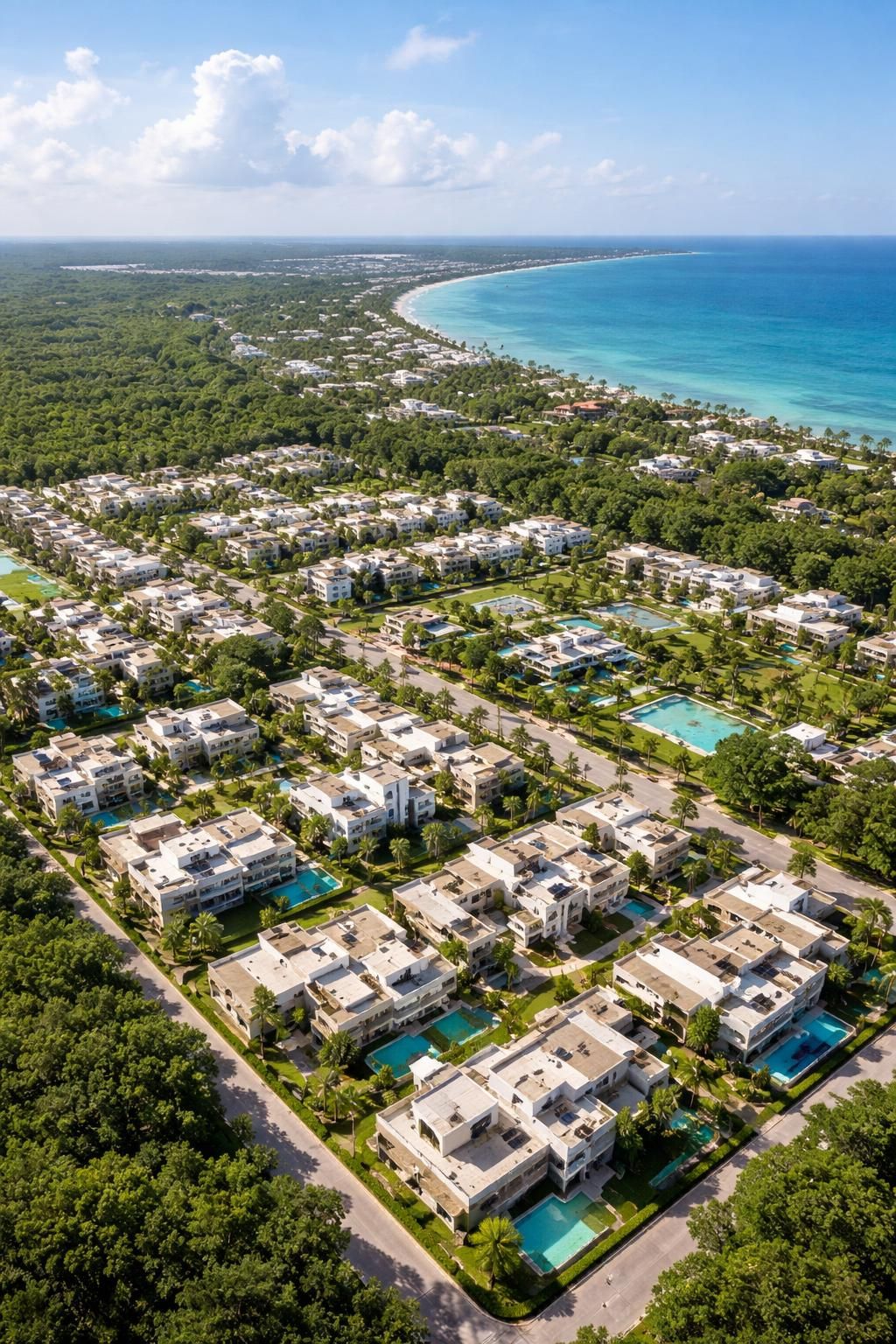
The state of Quintana Roo is experiencing an unprecedented wave of economic growth, transforming its real estate market into one of Latin America’s most vibrant arenas for property buyers and investors. Anchored by tourism, bolstered by infrastructure development, and energized by a growing population, the region offers diverse investment opportunities ranging from luxury oceanfront properties to affordable housing projects aimed at supporting local communities. These dynamics are reshaping property values across destinations like Cancun, Playa del Carmen, and Tulum, signaling robust potential for capital appreciation amid shifting market trends. Navigating this evolving landscape requires an understanding of the interplay between economic drivers, regulatory frameworks, and the socio-environmental impact of the rapid expansion. For property buyers eyeing this booming corridor, recognizing the nuances of growth in 2026 is essential for making informed decisions and leveraging the momentum for long-term success.
Key Highlights:
- Quintana Roo leads Mexico with a surge in construction projects adding nearly 28,000 new homes, with Tulum and Playa del Carmen spearheading the development boom.
- Infrastructure investments such as the Maya Train and the Cancun Financial District are catalyzing regional connectivity and economic opportunities.
- Real estate prices continue to rise steadily, with Tulum’s eco-luxury market commanding the highest per square meter rates in the Riviera Maya.
- The booming tourism industry fuels consistent rental demand, buttressing property values despite fluctuations in other sectors.
- Growing attention to sustainability and affordable housing marks a shift toward more inclusive and environmentally responsible growth models.
Understanding the Quintana Roo Real Estate Market: Economic Growth as a Catalyst for Property Buyers
The recent acceleration in Quintana Roo’s economic growth has served as a powerful engine driving the real estate market into a new phase. Traditionally recognized for its turquoise Caribbean coastline and ancient Mayan ruins, the region is evolving beyond its touristic appeal to become a magnet for international property buyers and local investors alike.
Economic growth factors fueling this momentum include increased public infrastructure spending, demographic expansion, and rising tourism numbers. Quintana Roo now accounts for approximately 11.7% of Mexico’s total construction output, surpassing all other states. This massive construction surge involves over 531 active developments delivering around 27,800 new homes, prominently concentrated in Tulum (252 projects) and Playa del Carmen (143 projects).
This growth translates into escalating property values. Key segments, especially medium to luxury residential properties in Cancun, Puerto Morelos, and Playa del Carmen, are appreciating yearly by roughly 12%, 17%, and 15% respectively. Such statistics reveal the attractiveness of investment opportunities that marry lifestyle benefits with strong capital gains.
The Maya Train construction, expected to bring an influx of three million visitors annually, and the recent launch of the Cancun Financial and Technology District are among the infrastructural anchors catalyzing the surge. Enhanced connectivity and economic diversification are incentivizing both commercial and residential real estate development, positioning Quintana Roo as a dynamic nexus for business and leisure.
For property buyers, this economic backdrop implies an environment ripe for acquisitions but also one where competition and demand continue to intensify. Acquiring properties now can lock in lower acquisition costs before anticipated further price escalations, making timing a significant consideration. More details about evolving market conditions can be found in comprehensive market trend reports offering a granular view of these dynamics.
The Impact of Infrastructure Development on Real Estate Prices and Investment Opportunities
Infrastructure development in Quintana Roo is a principal driver of the current property market dynamics. The ongoing federal investment of over MX$650 billion (US$37.4 billion) aimed at enhancing transport, utilities, and urban services is reshaping the economic landscape.
The Maya Train stands out as a transformational project linking Cancun, Playa del Carmen, Tulum, and other key municipalities. This rail connection is advancing steadily, with notable progress in electrified tracks and station construction. It not only promises ease of movement for residents and tourists but stimulates property demand near its transit corridors by increasing accessibility and encouraging urban densification.
Complementing this is the emergence of the Cancun Financial and Technology District — a sprawling 100-hectare investment expected to generate thousands of direct and indirect jobs. The influx of professionals and businesses asserts demand for both commercial spaces and quality residential properties, uplifting broader market values.
The ripple effect of these developments is evident in rising housing demand, especially across mid-tier and luxury segments. Rental occupancy has increased, driven by new visitors and workers attracted by employment prospects and improved living conditions. Properties proximate to new infrastructure projects often command premium prices and experience higher liquidity.
That said, buyers and developers need to be cognizant of emergent risks. Labor shortages due to the volume of simultaneous construction projects have pushed skilled work costs higher. Also, material prices have experienced upward pressure as demand climbs. Regulatory bodies like Quintana Roo’s Ministry of Environment (SEMA) enhance oversight to ensure that developments comply with environmental impact assessments, a regulatory framework that aims to balance growth with sustainability.
Considering these factors, investors interested in the region should prioritize properties near infrastructure improvements and assess regulatory compliance carefully. Such due diligence secures both immediate and long-term returns in a bustling but carefully monitored market.
Shifting Market Trends: Sustainable Developments and Housing Demand Among Local and Foreign Buyers
As Quintana Roo’s real estate market expands, evolving market trends reveal a movement toward sustainability and inclusivity, reshaping development priorities in 2026. The region is increasingly embracing eco-friendly construction, with projects incorporating solar power, water recycling, and local materials that reduce environmental footprints.
Tulum exemplifies this shift, often promoted as an eco-chic destination where sustainable living attracts a buyer demographic willing to pay a premium. Developments like Aldea Zamá and Luum Zamá lead by example, dedicating large portions of land to natural vegetation and practicing green building standards. Such communities attract foreign retirees, digital nomads, and environmental-conscious buyers who seek more than luxury—they seek harmony with nature.
At the same time, rising housing demand from local workers supporting new infrastructure and tourism expansion has prompted increased focus on affordable housing solutions. With thousands relocating for jobs related to the Maya Train, Tulum Airport, and hospitality projects, the demand stretches far beyond second homes for foreigners.
Government bodies and developers have intensified efforts to increase housing stock suitable for low- and middle-income residents. These efforts include flexible financing plans, public-private partnerships, and more inclusive zoning laws. This trend recognizes that sustainable economic growth must integrate local populations and preserve cultural integrity.
Property buyers therefore face a diverse market. Options span from high-end eco-conscious villas to affordable units designed for community members, each with distinctive investment implications. For a comprehensive overview on specific property types and guidance on choosing suitable investments, readers may consult resources like Playa del Carmen’s market reports which provide detailed insights on pricing, demand, and legal frameworks.
Regulatory Landscape: What Property Buyers Need to Know About Quintana Roo’s Legal Environment
The legal framework governing real estate ownership in Quintana Roo is a major factor influencing foreign and local property buyers. Despite constitutional restrictions on direct foreign ownership of land in restricted zones—defined as areas within 50 kilometers of the coast—Mexico offers solutions facilitating secure ownership for international buyers.
The fideicomiso (bank trust) stands out as the preferred mechanism, allowing foreigners to legally hold property rights through a Mexican bank acting as trustee. This trust grants buyers the same rights as direct ownership, including the ability to rent, improve, or sell the property. Trusts typically have a 50-year renewable term, offering stability and inheritance options for owners.
For investors purchasing multiple units or engaging in commercial projects, establishing a Mexican corporation to hold property is common. Though more administratively complex, the corporate structure can offer tax advantages and operational flexibility.
Property taxes in Quintana Roo remain low compared internationally, and transfer costs are moderate. However, transactions require careful navigation of notarial procedures and verification of property titles to avoid common pitfalls such as unclear land status or missing environmental permits.
Recent legal reforms focus heavily on environmental compliance. Developments without proper environmental impact assessments or SEMA authorization face injunctions or cessation orders. This increased regulatory vigilance protects buyers and the environment, underpinning a stable market reputation.
Buyers should also be aware of obligations related to rental income tax, lodging taxes on short-term rentals, and registration requirements if renting properties through platforms like Airbnb. Cooperation with professional legal and tax advisors familiar with the region is strongly advised to ensure full compliance and protect investment value.
Community Impact and Long-Term Prospects: Balancing Growth with Local Needs and Environmental Preservation
The rapid growth of Quintana Roo’s real estate sectors brings with it both opportunities and responsibilities. Economically, the development boom creates vast employment prospects from construction to hospitality. Local businesses benefit from expanded clientele, and infrastructure enhancements improve accessibility and quality of life.
However, the surge also poses challenges related to housing affordability for the local workforce, environmental sustainability, and preservation of the cultural heritage. In places like Tulum, local officials and community groups have raised concerns about rising prices and housing disparities, promoting policies aimed at inclusive development.
This balancing act is crucial for maintaining the region’s appeal, ensuring that investment gains do not come at the cost of social dislocation or ecological degradation. Protected natural areas, reforestation efforts, and community-led conservation projects showcase a commitment to sustainable stewardship.
Looking forward, many industry experts concur that the Riviera Maya’s real estate market will sustain positive momentum as long as stakeholders continue to address these multifaceted dimensions with prudence. Strategic urban planning, responsible construction practices, and culturally sensitive development models are shaping a future where economic growth enhances community resilience rather than undermines it.
For property buyers, the long-term outlook encourages engagement not only with market opportunities but also with the social and environmental ecosystems that underpin sustained value and livability in this extraordinary region.
| Municipality | Active Projects | New Housing Units |
|---|---|---|
| Tulum | 252 | 10,000+ |
| Playa del Carmen | 143 | 8,500+ |
| Cancun & Other Areas | 136 | 9,300+ |
| Total Quintana Roo | 531 | 27,800+ |
Key benefits of investing in Quintana Roo’s real estate market:
- Strong annual property appreciation rates averaging 8-15% in key zones
- Robust rental demand reinforced by growing tourism and migratory inflows
- Access to government infrastructure projects supporting seamless connectivity
- Legal mechanisms protecting foreign buyers and facilitating secure ownership
- Emergence of sustainable development models reflecting environmental priorities
What are the main drivers behind Quintana Roo’s real estate growth?
Major drivers include extensive infrastructure investments, rising tourism, population growth, and government initiatives supporting sustainable development and affordable housing.
How does the fideicomiso trust work for foreign property buyers?
A fideicomiso is a bank trust that allows foreigners to hold property within Mexico’s restricted zones legally. The trust gives buyers full rights to use, rent, sell, and inherit property with a renewable 50-year term.
Are housing prices expected to keep rising in the next few years?
Yes, property values have consistently increased due to strong demand and ongoing developments, although growth may moderate as the market matures and regulatory measures take effect.
What sustainability features are becoming common in new developments?
Many new projects include solar energy systems, rainwater harvesting, natural ventilation designs, use of local materials, and preservation of green spaces to minimize environmental impact.
How can foreign investors ensure compliance with local regulations?
Engaging licensed notaries, attorneys, and accountants with regional expertise is essential. Buyers should verify clear title, environmental permits, and understand tax obligations related to property and rental income.